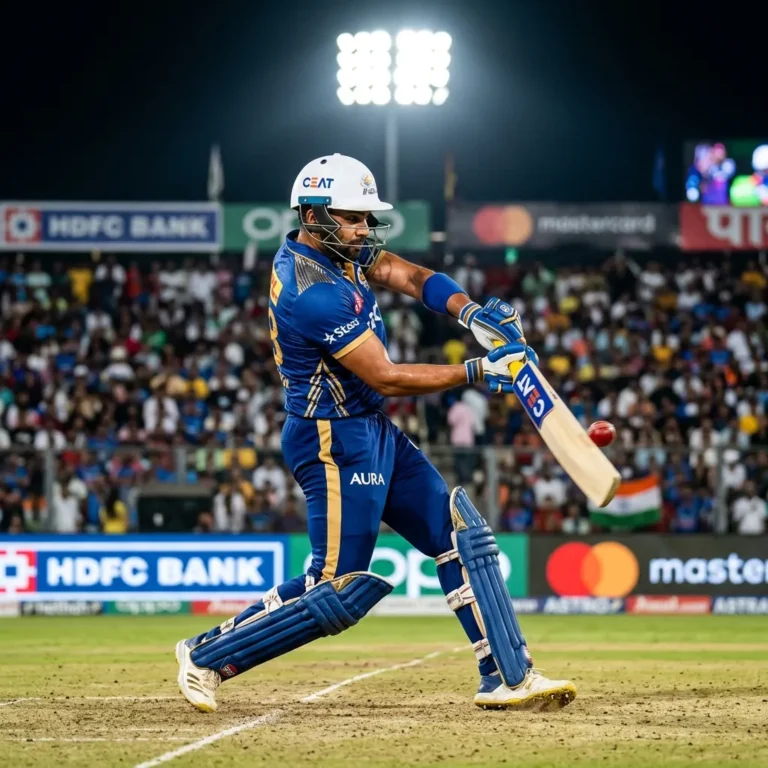

Tactical Insights: My Guide to Mastering Fast and Bouncy Pitches in Cricket
When playing on fast pitches, there is nothing in cricket quite like the sight of a red cherry flying off a green, rock-hard surface. Consequently, as a lifelong cricket enthusiast, I’ve always believed that mastering these bouncy conditions represents the ultimate litmus test for any batsman. When you watch a game at the WACA in Perth, or Centurion and the Wanderers in South Africa, you see raw fear and pure technique clash. Facing deliveries at 90+ mph when the ball is leaping towards your throat is indeed a mental battle. Therefore, in this guide, I want to share my personal take on how to survive and dominate on these lightning-fast surfaces.
What Makes Fast Pitches in Cricket Bounce?
To understand a fast pitch, you have to look past just the color of the grass. Specifically, the magic of a fast deck lies in three main physical factors: soil compaction, grass cover, and atmospheric conditions. For instance, if any of these elements is missing, the pitch loses its teeth. Consequently, it becomes a flat road. We witnessed this in my recent RCB vs SRH Match Analysis, where batsmen chased 202 because the pitch offered no assistance to fast bowlers.
Soil Compaction and Clay Mechanics
Bouncy pitches require clay with high montmorillonite content, usually above 50%. When this clay is heavily rolled, it dries into a rock-like block. As a result, the ball compresses very little upon impact. The pitch absorbs almost none of its energy. Therefore, the ball shoots off the deck with maximum velocity and is carried to the keeper.
Grass Cover and Seam Friction on Fast Pitches in Cricket
People often fear green grass because they associate it with lateral seam movement. However, grass plays a crucial role as a binder. It keeps the clay from cracking and crumbling under the sun. Furthermore, live grass retains moisture in the upper soil layers. When a hard ball strikes this moisture-retaining grass, it creates the friction necessary for sudden lateral deviation, or seam movement, off the deck. For more details on pitch structures, you can read about the science of a cricket pitch on Wikipedia.
In addition, atmospheric physics plays a role. Overcast skies, high humidity, and crosswinds work in tandem with green tracks. Specifically, the damp air keeps the shine on one side of the ball longer, aiding swing in the air. This is why teams like England are so lethal in home conditions.
My Batting Guide to Surviving Fast Pitches in Cricket
Batting on a green mamba is 80% mental and 20% technical. If you panic, you are already walking back to the pavilion. Over the years, I have analyzed the techniques of legendary batsmen who conquered the bounce. Consequently, I have distilled their success into a few critical pillars. Let’s explore them below.
Trigger Movements and Stance Adjustments
One of the biggest mistakes subcontinental batsmen make when playing abroad is committing early to the front foot. They want to drive the ball. On a fast pitch, however, this is fatal. Therefore, I advise keeping your weight neutral. A minor back-and-across trigger movement puts you in a balanced position. As a result, you can quickly transfer weight back to handle a short ball, or press forward if the bowler pitches it up.
Soft Hands and Wicketkeeper Dynamics
When the ball is flying, you cannot push at it. You must play with “soft hands” by keeping your bottom hand grip loose. If you play with a rigid grip, any outside edge will fly straight to the slips. By using soft hands, the ball drops short of the slips, giving you a second life. Meanwhile, wicketkeepers have to stand much further back on these tracks. This is a dynamic I discussed in my Sarfaraz Ahmed Career Analysis, where positioning changes significantly compared to spinning tracks.
Selecting the Right Shots on Fast Pitches in Cricket
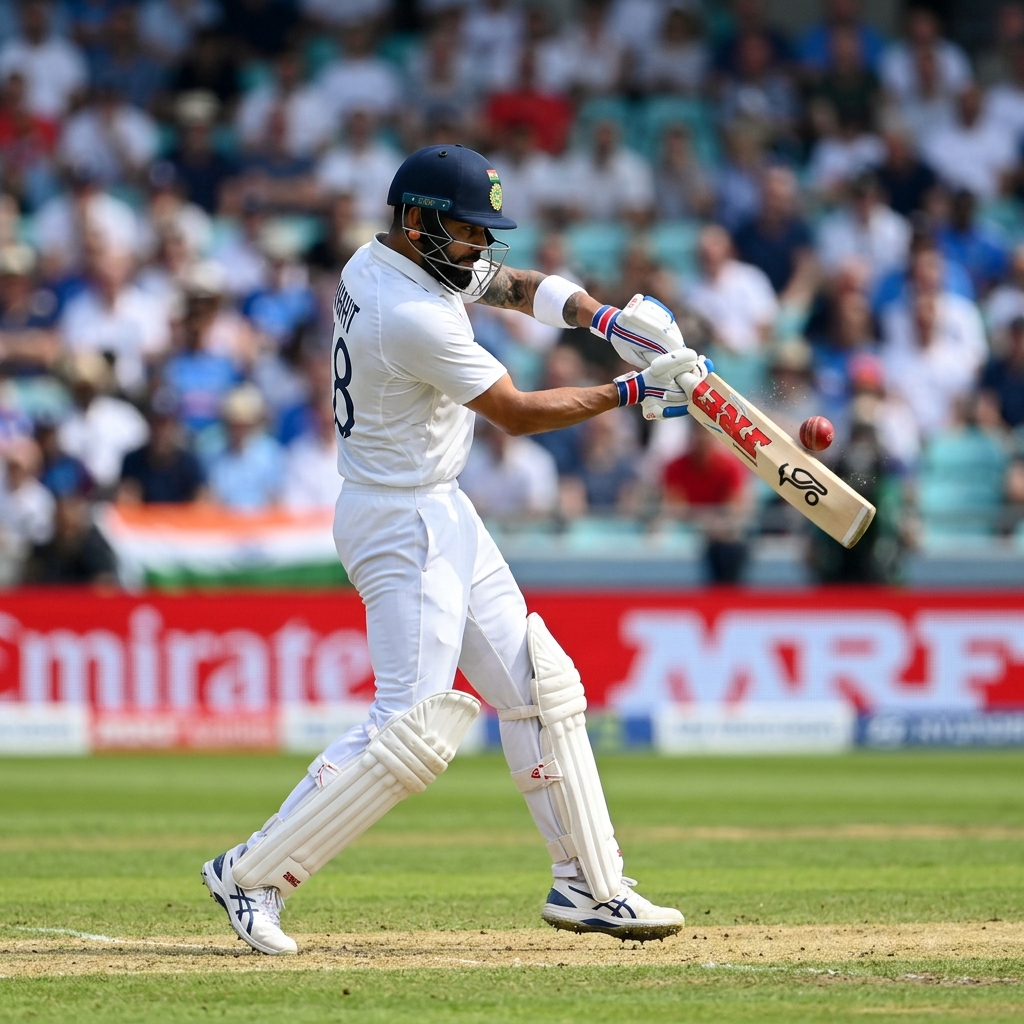
Furthermore, shot selection is critical. In my opinion, the most beautiful shot on a fast pitch is no shot at all. Leaving the ball outside off-stump is a major tactical weapon. It tires out the fast bowler and forces them to bowl straight. In contrast, avoid horizontal bat shots like the pull or hook early in your innings until you have fully judged the bounce. Instead, punch the ball through the covers off the back foot using the bowler’s pace.
My Bowling Blueprint for Fast Pitches in Cricket
As a bowler, it is incredibly easy to get carried away on a bouncy track and bowl too short. Seeing the ball fly over the batsman’s head is fun, but it is rarely effective. Therefore, the best fast bowlers are the ones who understand length and lateral deviation.
Targeting the Corridor of Uncertainty
Instead of pitching it up to swing or spraying bouncers, you want to target the “heavy” length. This is roughly 6 to 8 meters from the stumps. At this length, the extra bounce will naturally strike the shoulder of the bat or cause the batsman to lob a catch. Specifically, constantly bowl in that 5th-stump line just outside off-stump. Force the batsman to play. On a pitch with rapid carry, even the slightest feather will carry comfortably to the slips.
Wobble Seam and Swing Dynamics
Additionally, the wobble seam is a deadly weapon on hard decks. By releasing the ball with a slightly slanted seam that wobbles, the ball lands on the leather rather than the seam. As a result, it cuts randomly off the deck. It is highly unpredictable, keeping the batsman guessing. Moreover, use the short ball as a setup. Throw a bouncer to push the batsman back, followed immediately by a fuller, swinging delivery targeting the stumps. Expecting another short ball, the batsman will react slowly and get trapped LBW or bowled.
How Asian Teams Adapt to Fast Pitches in Cricket
Historically, team performances on fast pitches show a stark geographical divide. Non-Asian teams have dominated fast pitches because their players grow up on bouncy, green tracks. They are naturally comfortable playing the bounce, pulling, and leaving. Their fast bowlers naturally bowl a “hit-the-deck” length, making them dominant at home.
Conversely, Asian teams have historically struggled, experiencing batting collapses due to excessive bounce and seam. The lack of bounce in their domestic wickets meant their batsmen played with a dominant front-foot press, making them highly vulnerable to the moving ball abroad.
However, the modern era has seen a massive shift. India’s back-to-back Test series wins in Australia proved that subcontinental teams can conquer the bounce. India did this by developing a world-class pace battery that could out-bowl the hosts. They also prepared faster tracks in domestic cricket. Similarly, Pakistan has produced legendary fast bowlers, but their batting consistency and structural issues remain a major hurdle, as analyzed in Pakistan Cricket Problems: Tactical Insights.
Fast Pitches in Cricket vs Slow Turning Wickets
It is important to remember that the skills required to survive on a fast pitch are the exact opposite of what you need on a slow deck. While speed and reflexes are key here, conquering a slow and turning pitch demands extreme patience, wrist work, and a completely different set of shots, like the sweep and paddle. A batsman who cannot adapt between these two extremes will struggle to succeed in international cricket.
Summary of Fast Pitches in Cricket
| Aspect | My Tactical Priority | Key Goal |
|---|---|---|
| Batting | Leave balls outside off, play late with soft hands, use back-foot punch. | Preserve wickets, minimize catches in the slips. |
| Bowling | Hit the deck, target the corridor of uncertainty, use wobble seam. | Extract outside edges and test batsman reflexes. |
| Pace Adaptation | Non-Asian teams lead historically; India leads modern Asian resilience. | Adjust trigger movement to handle extra bounce. |
Play Live Cricket:
Stay tuned to Play Live Cricket for more deep tactical insights, cricket news, and expert cricket analysis. We keep you updated with the latest in the cricket world.
Disclaimer:
The tactical insights and opinions expressed in this article are based on personal analysis and historical cricket trends. They do not constitute professional coaching advice.