

Middle Overs Spin Strategy: How Smart Teams Control Run Rate and Force Batting Mistakes
While the Powerplay gets the crowd roaring and the death overs produce dramatic finishes, the middle phase of a T20 innings is where matches are truly won or lost. Typically, this spans from overs 7 to 15. During this critical window, the fielding restrictions ease. Consequently, up to five fielders are allowed outside the 30-yard circle. Therefore, the game changes from a raw hitting contest into a chess match of speed, flight, and angles. For bowling captains, the primary weapon is spin. Specifically, a well-executed middle overs spin strategy is essential for controlling the run rate and forcing errors.
In this analysis, we will explore the tactical nuances of a middle overs spin strategy. For instance, we will break down how elite spinners vary their pace and length. In addition, we will analyze how captains set defensive and attacking fields. By doing so, we will show how teams use analytical match-ups to dominate the middle phase of a cricket match.
Core Principles of a Middle Overs Spin Strategy
Unlike fast bowlers who rely on sheer velocity, a spinner’s success depends on deception. In T20 cricket, batsmen are constantly looking to score. Therefore, a spinner cannot afford to bowl predictable lengths. Specifically, the foundation of a successful middle overs spin strategy rests on two pillars. These are length control and variations in speed and flight.
When spinners bowl in the middle overs, their primary goal is to prevent the batsman from hitting under the ball. For example, if they bowl too full, they invite the batsman to loft them over the boundaries. Conversely, if they bowl too short, they give the batsman time to pull off the back foot. Consequently, elite spinners target a “good length” (around 4 to 5 meters). Specifically, they do this while constantly changing their release points and speeds. For a broader look at how this fits into bowling plans, read our guide on T20 Bowling Strategy for Modern Cricket.

Length Control and Speed Variations
A spinner who bowls every ball at 85 kph will eventually be lined up by batsmen. Therefore, spinners must vary their speed between 78 kph and 98 kph. For instance, flight the ball with a slower, lofted delivery entices the batsman to come down the track. If the bowler can extract turn, the ball will drift and beat the bat. Consequently, this leads to an easy stumping. Conversely, pushing the ball through faster at 95+ kph prevents the batsman from hitting big. Specifically, it forces them to play a defensive push. This speed variation is a key tactical weapon on subcontinental tracks, which we analyzed in our guide to Conquering Slow and Turning Pitches.
Reading Batsman Trigger Movements
Furthermore, great spinners are master observers. Specifically, they watch the batsman’s feet and trigger movements before the ball is released. For example, if a batsman moves to the off-side to sweep the ball, a smart spinner will alter their line. They will bowl wider outside off-stump to make the sweep impossible. On the other hand, if the batsman stands deep to prepare for a pull, the spinner will drop the ball shorter. Consequently, they deliver it with a flatter trajectory to squeeze them. Adjusting the line and length in real-time is what makes a middle overs spin strategy so lethal.
Tactical Field Settings for Middle Overs Spinners
A spinner’s field is their armor. Indeed, without the right field placements, even the best deliveries can go for boundaries. Therefore, the field is designed to deny the batsman their favorite scoring areas. Specifically, this forces them to play high-risk shots into deep pockets.
Usually, the captain will place four or five fielders on the boundary. The placement of these fielders depends on the type of spinner. For instance, for a right-arm leg-spinner, the deep fielders are typically placed at deep midwicket, long-on, deep square leg, and deep cover. This protects the areas where batsmen naturally target. Consequently, it neutralizes the spin that turns away. By placing fielders in these zones, the captain forces the batsman to hit against the spin. Therefore, it increases the chances of a mistimed catch to extra cover or point.
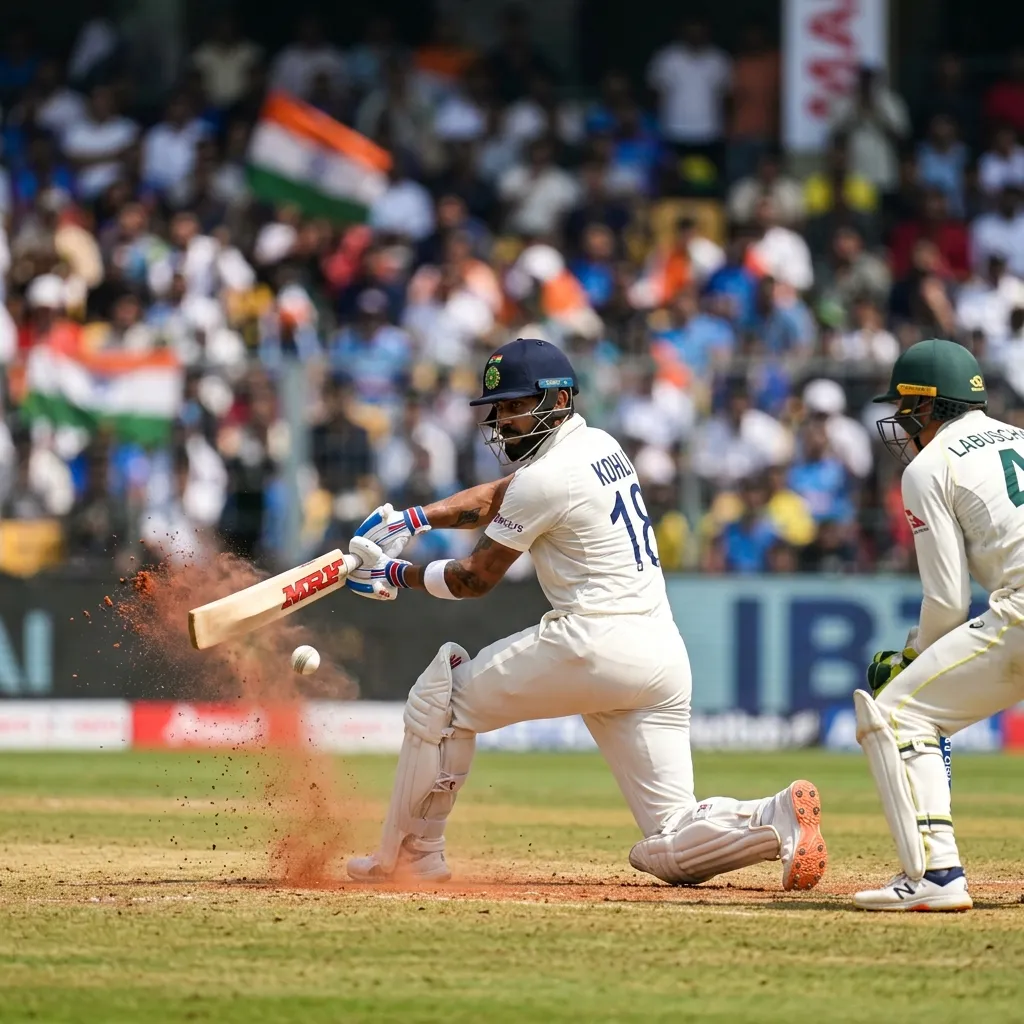
Defending the Sweeper Boundaries vs. Attacking Rings
Captains must decide when to defend and when to attack. For example, if the batting team is scoring quickly, the captain will utilize a ‘sweeper’ boundary strategy. This involves placing fielders deep on both the off-side and leg-side. Consequently, it concedes single runs but prevents boundaries. However, if the batting team has lost early wickets, the captain will create an attacking ring. This cuts off the easy single. Therefore, it forces the new batsmen to play high-risk lofted shots to get off strike. This tactical shift is a key captaincy element that we discussed in Pakistan Cricket Problems: Tactical Insights.
Match-Ups and Captaincy Decisions in the Middle Phase
Modern T20 cricket is heavily driven by data and match-ups. Specifically, a captain does not simply throw the ball to their best spinner. Instead, they analyze which bowler matches up best against the batsman. The primary rule is simple: turn the ball away from the bat.
Off-Spin vs. Left-Handers and Leg-Spin vs. Right-Handers
When a right-handed batsman faces off-spin, the ball turns into the pads. Consequently, this makes it easier for the batsman to sweep through the leg side. Therefore, captains prefer off-spinners against left-handed batsmen. In contrast, they bowl leg-spinners or left-arm orthodox spinners against right-handed batsmen. Turning the ball away from the bat makes it much harder to hit boundaries. This is because they must hit against the spin, risking leading edges. This tactical play is a core component that we track in our Tactical Insights hub.
In addition, wicketkeepers play an active role in these match-ups. For example, their ability to read variations can make or break a stumping. This is a dynamic we highlighted in our Sarfaraz Ahmed Career Analysis. Specifically, we discussed how close-in wicketkeeping changes the pressure on the batsman.
High-Pressure Match Scenarios & Risk Management
Let us look at a typical high-pressure scenario. For example, the batting team has reached 75/1 at the end of the 8th over on a dry pitch. A novice captain might panic and bring back their fast bowler. However, an experienced captain will implement a middle overs spin strategy. Specifically, they will bowl two spinners in tandem from both ends.
By bowling two spinners together, the team can apply a squeeze from both sides. Consequently, the batsmen get frustrated by the lack of pace and inner gaps. They will therefore try to play low-percentage shots. This includes shots like a reverse sweep or a lofted hit. This environment naturally leads to wickets. For fans who want to follow these tournaments, keep an eye on our T20 World Cup 2026 Mega Hub.

To analyze the mechanics of spin, you can refer to the coaching analyses on ESPNcricinfo. Specifically, it features detailed breakdowns of bowler trajectories and seam position.
Tactical Case Study: Elite Spin Duos in Modern Cricket
Historically, the teams that win major T20 trophies have legendary spin partnerships. Think of Sunil Narine and Varun Chakaravarthy for the Kolkata Knight Riders. Alternatively, look at Rashid Khan and Noor Ahmad for the Gujarat Titans. These bowlers do not just try to prevent runs. Instead, they actively hunt for wickets by combining mystery spin with flawless length control. Consequently, when you have two spinners operating, you force the batting team to take massive risks. This, therefore, results in cheap wickets at the end of the innings.
Summary of Middle Overs Spin Strategy
| Tactic | Mechanism | Primary Goal |
|---|---|---|
| Pace Variation (Flight vs. Dart) | Vary bowler speed from 78 to 98 kph | Disrupt batsman timing and trigger movements |
| Tandem Spin Bowling | Operate two spinners from both ends | Squeeze run rate and build scoreboard pressure |
| Match-up Rotation | Off-spin vs. Left-handers, Leg-spin vs. Right-handers | Turn ball away from bat, induce leading edges |
| Sweeper Boundary Field | Place 4-5 fielders deep on boundary lines | Concede single runs while protecting boundary lines |
In conclusion, a masterfully executed middle overs spin strategy is not just about turning the ball. Specifically, it is a mental battle of patience and variations. In addition, it requires tactical field setups. Teams that master this phase will consistently choke the scoring rate.
Stay tuned to Play Live Cricket for more expert cricket score updates, deep tactical insights, team news, and post-match analysis. We keep you ahead of the game with direct views from the cricketing world.
Disclaimer: Play Live Cricket does not provide live match broadcasting, live match streaming, or official live coverage. The website only shares cricket score updates, personal opinions, tactical insights, and match analysis for informational purposes.