Netherlands Beat Namibia by 7 Wickets at Delhi
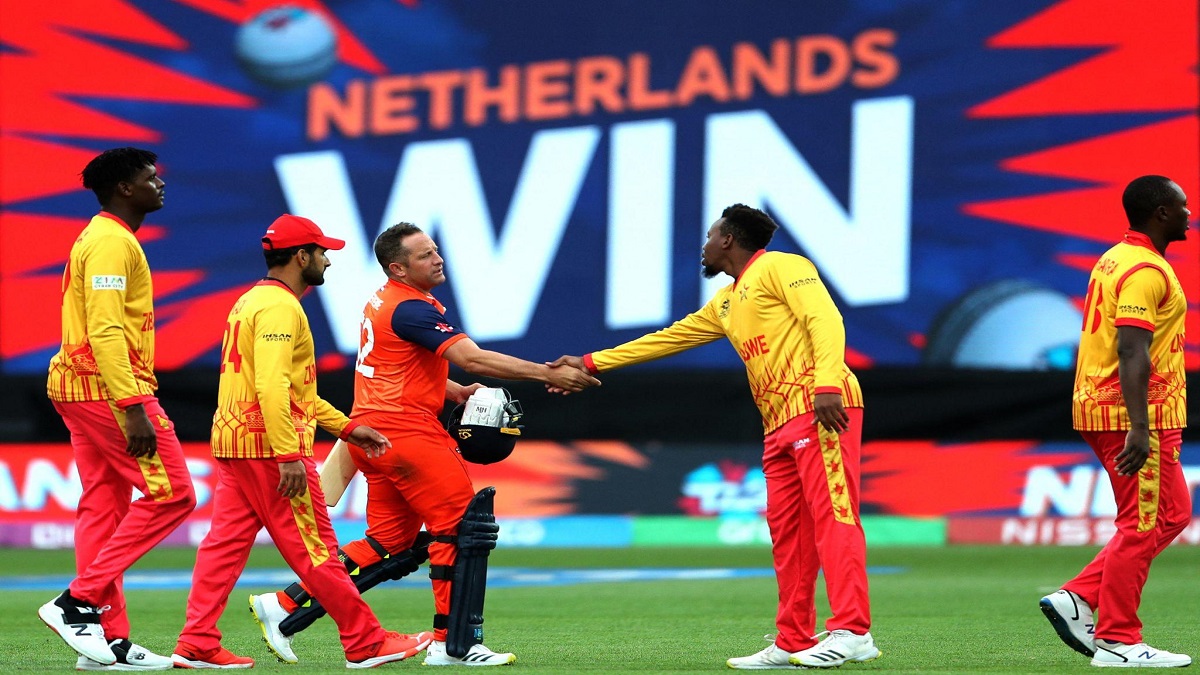
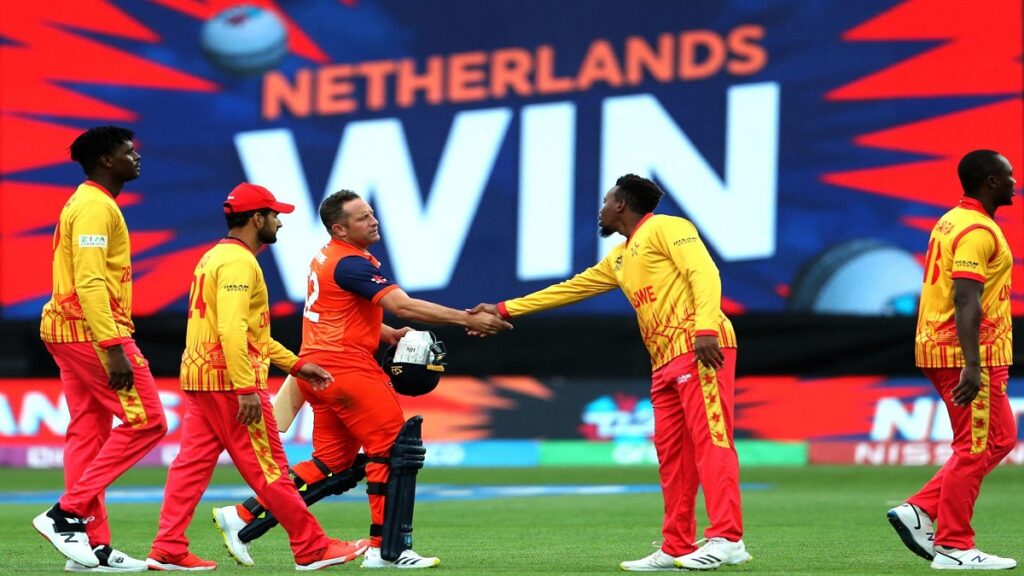
Netherlands beat Namibia by 7 wickets at Delhi in the ICC Men’s T20 World Cup 2026, chasing 157 with 12 balls remaining after a calm, clinical chase.
Netherlands Beat Namibia by 7 Wickets at Delhi in T20 World Cup 2026
The Netherlands beat Namibia by 7 wickets at Delhi in the ICC Men’s T20 World Cup 2026. It was a win built on control. It was also a win built on smart planning. Namibia posted 156/8. However, the Netherlands chased 157 with 12 balls remaining. As a result, the Dutch took a big step forward in the group race.
At first, the match looked evenly set. Namibia started with a clear plan. They wanted a steady base. They also wanted a strong finish. Meanwhile, the Netherlands wanted early control with the ball. Then they wanted calm batting in the chase. In the end, the Netherlands executed better in key moments. Therefore, they earned the points.
This game mattered for more than one reason. It shaped confidence. It also shaped the table. Moreover, it showed how well the Netherlands manage pressure. In T20 cricket, that skill is priceless.
Netherlands Beat Namibia: Match Summary at Delhi
Namibia finished on 156 for 8. That total was competitive. Yet it was not fully safe. Delhi offered decent pace. Also, the outfield was quick. So, 156 felt slightly short.
The Netherlands began the chase without panic. They rotated strike early. They also kept wickets in hand. Because of that, the required rate stayed under control. Later, they picked the right balls to hit. As a result, they closed the chase in 18 overs.
Most importantly, the Netherlands never let Namibia build long pressure spells. They avoided dot balls. They also avoided soft dismissals. Therefore, the chase stayed smooth.
Delhi Pitch and Conditions: Why Timing Mattered
Delhi often rewards timing. This surface did the same. There was bounce. Also, the ball came on nicely. So, batters could trust their shots.
The new ball did not swing much. Therefore, bowlers needed accuracy. In addition, slower balls worked only when bowled well. If a bowler missed length, the ball sat up. Then batters could attack.
Later in the evening, dew became a factor. Because of dew, gripping the ball became harder. So, chasing became a little easier. That is why Namibia needed extra runs.
Namibia Batting First: A Solid Start but Not Enough Force
Namibia’s innings had good moments. Yet it lacked one big surge. In T20 cricket, that surge often decides totals. Namibia did not find it.
They were careful early. They also tried to protect wickets. However, the trade-off was a slower run rate. As a result, they had less freedom at the end.
Powerplay Phase: Namibia Played Safe Early
Namibia started with caution. They picked singles. They also avoided risky lofted shots. This helped them settle. Yet it also helped the Netherlands.
The Dutch bowlers kept tight lines. They also used the pitch well. Therefore, boundaries were limited. Moreover, fielders saved runs in the ring. So, Namibia’s powerplay did not explode.
This was not a terrible start. Still, it was not the best start. In modern T20 cricket, teams want more than stability. They also want momentum.
Middle Overs: Netherlands Controlled the Game Quietly
The middle overs decided the match shape. Namibia tried to build partnerships. They also tried to keep the scoreboard moving. However, the Netherlands stayed calm. Dutch bowlers varied pace. They also hit a hard length. Because of that, timing became harder. In addition, they bowled into the pitch. So, big shots did not travel as easily.
Meanwhile, Namibia kept wickets in hand. Yet boundaries stayed rare. Therefore, pressure slowly grew. When pressure grows, batters force shots. Then wickets tend to fall. That pattern appeared here.
Netherlands Beat Namibia: Namibia Pushed, Yet the Netherlands Held Firm
Namibia tried to accelerate late. They found a few boundaries. They also ran hard. Still, the Netherlands defended well.
The bowlers used yorkers and slower balls. Also, they protected key areas. As a result, Namibia did not get the final burst they wanted. They ended on 156/8. That was decent. Yet it looked 10 to 15 runs short.
Netherlands Bowling: Why This Attack Looked So Organized
The Netherlands did not rely on magic balls. Instead, they relied on repeatable plans. That is why they looked so organized. They bowled to fields. They also trusted each other. Moreover, they stayed patient in the middle overs. Therefore, Namibia never found a long easy stretch.
This is exactly how strong T20 sides operate. They do not chase highlights. They chase control.
Netherlands Beat Namibia: Chase Plan Was Clear From Ball One
When the chase began, the Netherlands looked composed. They did not chase boundaries early. Instead, they chased good decisions. They kept the asking rate under control. They also protected wickets. Because of that, they could attack later without panic. That is how good chasing teams win.
Netherlands beat Namibia because they understood the chase better. They also read the conditions faster.
Powerplay in the Chase: Calm Start, No Risk
The Netherlands started carefully. They played straight. They also looked for gaps. As a result, the scoreboard moved without drama. Namibia tried hard with the new ball. However, there was little movement. So, the Dutch batters could trust their defense. They also punished loose balls.
Most importantly, they avoided early wickets. Because of that, Namibia could not feel control.
Middle Overs in the Chase: Rotation Broke Namibia’s Rhythm
This was the key phase. The Netherlands rotated strike constantly. They took singles to long-on and deep midwicket. They also pushed twos into the gaps. Because of this rotation, Namibia could not build dot-ball pressure. Also, the field had to spread. Then boundary options improved.
Even when the Netherlands did not hit many fours, they stayed ahead. Therefore, the required rate kept falling. That is how a chase becomes easy.
Finishing Overs: Netherlands Closed the Match Early
Once the chase reached the final stretch, the Netherlands stayed calm. They did not waste balls. They also picked match-ups smartly. A few boundaries ended the game quickly. As a result, they won with 12 balls remaining. That margin mattered. It showed control, not survival. So, Netherlands beat Namibia with a professional chase. It was not flashy. Yet it was very effective.
Play Live Cricket
Stay tuned with Play Live Cricket for match reports, analysis, and full coverage of the ICC Men’s T20 World Cup 2026.
Disclaimer: This article is based on match data, live scoring, and post-match analysis.