
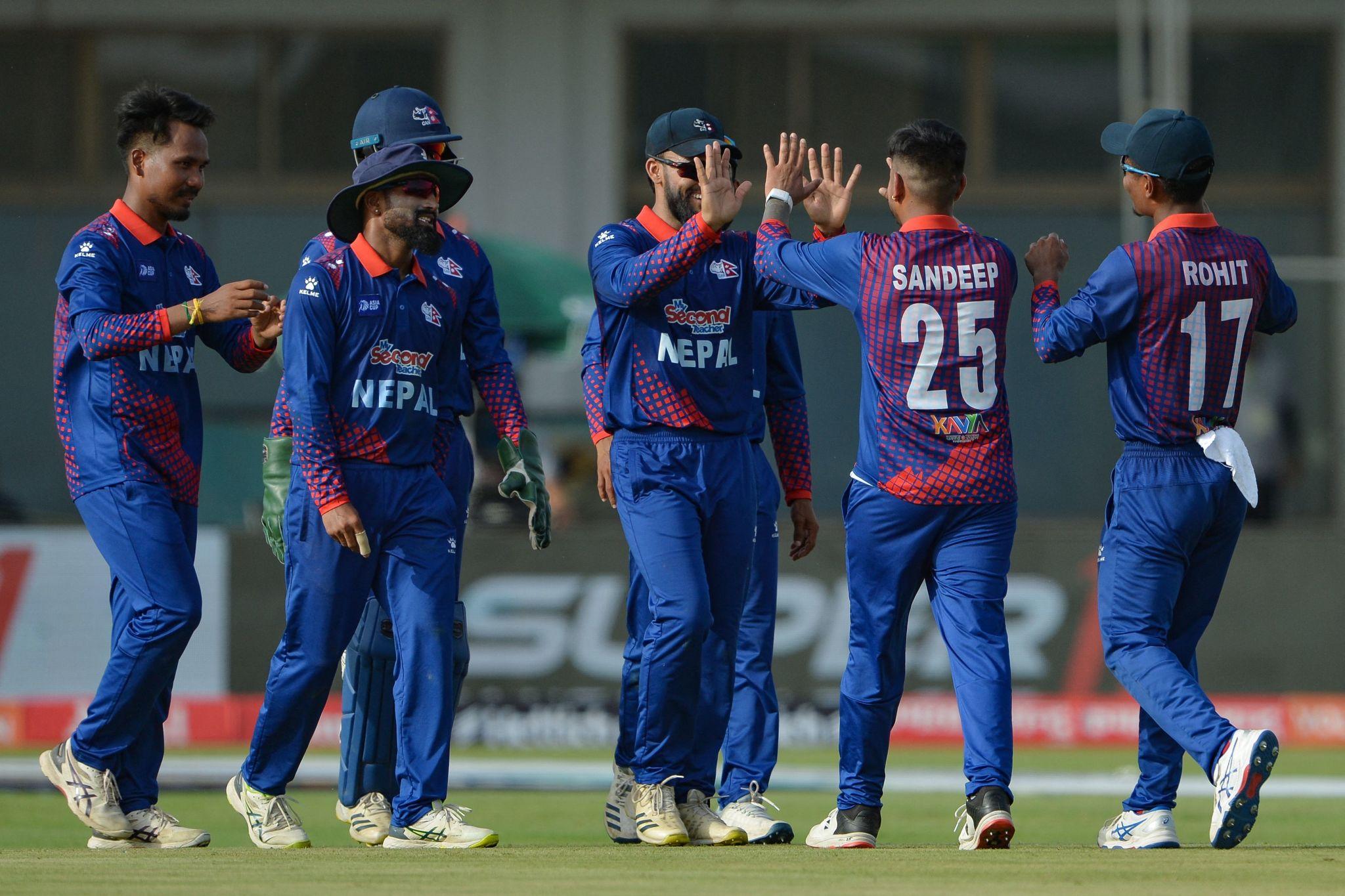
Nepal Team Squad for T20 World Cup 2026 Play live Cricket
Nepal Team Squad for T20 World Cup 2026 with players list, roles, strengths, strategy, and expected playing XI explained in simple terms.
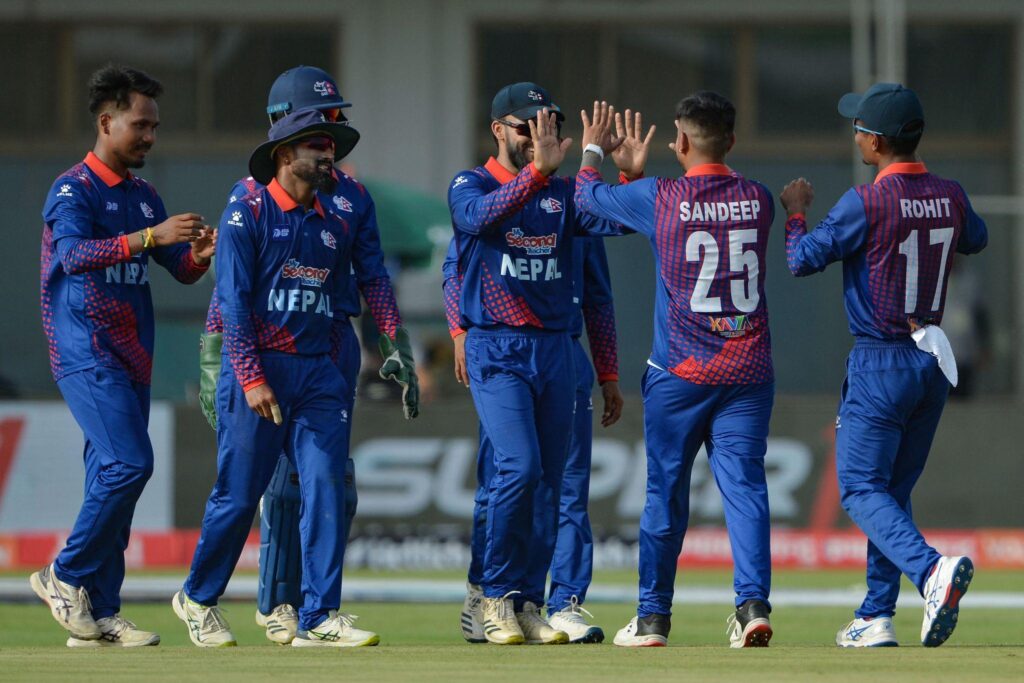
The Nepal Team Squad also tells us the team’s real plan for 2026. It shows who can handle pressure and win key moments. It also shows the balance between batting, spin, and pace.
Nepal have a special T20 identity. They play fearless cricket. They also fight until the last ball. Because of that, fans expect competitive matches. However, to beat stronger teams, Nepal must stay smart. They must also stay calm when the game gets tight.
In this rewrite, you will get a clear squad picture. You will also learn the best playing style for Nepal. Moreover, you will see role clarity for each key player. Everything stays simple and easy to read.
| # | Player Name | Role | Batting / Bowling Style |
|---|---|---|---|
| 1 | Rohit Paudel (c) | Middle-order Batter | Right Hand Bat / Right-arm Offbreak |
| 2 | Dipendra Singh Airee | All-rounder | Right Hand Bat / Right-arm Offbreak |
| 3 | Sandeep Lamichhane | Bowler | Legbreak Googly |
| 4 | Kushal Bhurtel | Opening Batter | Right Hand Bat / Legbreak |
| 5 | Aasif Sheikh | Wicketkeeper-Batter | Right Hand Bat |
| 6 | Sundeep Jora | Middle-order Batter | Right Hand Bat |
| 7 | Aarif Sheikh | All-rounder | Right Hand Bat / Right-arm Medium |
| 8 | Basir Ahamad | All-rounder | Left Hand Bat / Slow Left-arm Orthodox |
| 9 | Sompal Kami | Bowling All-rounder | Right Hand Bat / Right-arm Fast-medium |
| 10 | Karan KC | All-rounder | Right Hand Bat / Right-arm Fast |
| 11 | Gulshan Jha | All-rounder | Left Hand Bat / Right-arm Medium |
| 12 | Lalit Rajbanshi | Bowler | Slow Left-arm Orthodox |
| 13 | Nandan Yadav | Bowler | Right-arm Medium |
| 14 | Sher Malla | Bowler | Right-arm Offbreak |
| 15 | Lokesh Bam | Wicketkeeper-Batter | Right Hand Bat |
Nepal Team Squad for T20 World Cup 2026 overview
The Nepal Team Squad must fit modern T20 demands. In T20 cricket, teams need power in the powerplay. They also need control in the middle overs. Then they need clean hitting at the end. At the same time, they need bowlers who defend totals.
Nepal should build the squad around roles, not just names. That approach reduces confusion. As a result, players stay confident. Also, the captain can make quicker decisions.
Nepal have strong spin options. They also have several all-rounders. Therefore, Nepal can play flexible XIs. Meanwhile, the team must protect its weak areas. Death bowling and batting depth can decide matches.
Nepal Team Squad and the importance of role clarity
The Nepal Team Squad can succeed when every player knows one clear job. For example, openers must score early with intent. The middle order must keep the innings stable. Finishers must attack hard in the last overs. Bowlers must plan overs by phase.
Role clarity also helps under pressure. When a batter knows his plan, he avoids panic shots. When a bowler knows his field, he avoids fear. Consequently, the team becomes more consistent.
Nepal should keep the message simple. Play positive cricket. Take smart singles. Hit boundary balls. Bowl to a plan. Field with energy. That simple formula wins T20 games.
Nepal Team Squad: top-order plan for fast starts
The Nepal Team Squad needs strong powerplay batting. A fast start reduces pressure later. It also forces opponents to chase the game. Nepal’s top order must avoid slow overs. At the same time, they must protect wickets.
Kushal Bhurtel suits that role well. He can score quickly. He also plays brave shots over the infield. Moreover, he can rotate strike when boundaries stop. If he bats deep, Nepal can reach strong totals.
Aasif Sheikh gives stability near the top. He can keep the scoreboard moving. He also offers wicketkeeping value. Therefore, he adds balance to the XI. If Nepal lose an early wicket, Aasif can rebuild. Then the next batter can attack.
Nepal should target a healthy powerplay score. On flat pitches, Nepal should aim for 50 or more. On slower pitches, Nepal can accept 40 to 45. However, Nepal must avoid panic after a quiet over. One big over can fix the rate.
Nepal Team Squad: middle-order control and smart tempo
The Nepal Team Squad needs a middle order that understands tempo. The middle overs often decide T20 matches. If a team slows down too much, it creates pressure. Then wickets fall. Nepal must avoid that pattern.
Rohit Paudel plays a key role here. He reads situations well. He also stays calm under pressure. As captain, he must lead with smart batting. When Nepal lose quick wickets, Rohit can anchor. When Nepal start well, Rohit can accelerate.
Sundeep Jora can support that plan. He can play sensible cricket. He can also attack when set. Therefore, he can bridge the innings between the top order and finishers. Nepal need that bridge to avoid collapses.
Dipendra Singh Airee brings match-winning impact. He can change the game with a short burst. He also can rebuild if needed. Moreover, his shot range helps against spin. Because of that, he fits the middle overs perfectly.
Nepal should focus on strike rotation in this phase. Singles keep the rate stable. Also, singles break bowler rhythm. As a result, boundary balls arrive more often. Nepal must also pick the right bowler to attack. That decision wins games.
Finishers and the last five overs
The Nepal Team Squad must finish innings strongly. Many teams lose 15 to 25 runs at the end. That happens when they lose too many wickets earlier. Nepal must protect wickets for the final surge.
Dipendra can finish matches when he bats late. Sompal Kami can also hit big shots. Karan KC can add quick runs too. Therefore, Nepal can build a lower-order push. Those extra runs often decide close games.
Nepal should plan the death overs early. They should identify the weakest death bowler in the opposition. Then they should hold a hitter for that moment. Moreover, they should use running between wickets. Two runs can become a boundary in value.
However, Nepal must avoid reckless swings. Smart hitting wins more than blind hitting. A calm finisher chooses the right ball. Then he attacks with full power.
Spin strength and middle-over wickets
The Nepal Team Squad has a strong spin base. Spin often dominates T20 on slow pitches. It also brings wickets in the middle overs. Those wickets stop momentum. They also force new batters to take risks.
Sandeep Lamichhane remains the key wicket-taker. He uses flight, pace changes, and sharp turn. He can also out-think batters. Therefore, Nepal should use him as an attacking bowler. He should bowl in the middle overs. He can also bowl one over early if needed.
Lalit Rajbanshi adds left-arm orthodox control. Left-arm spin creates a different angle. It also troubles right-hand batters. Moreover, it forces batters to hit against the spin. That brings catches in the deep.
Sher Malla offers another off-spin option. That option helps matchups. For example, off-spin can control left-hand batters. It can also slow the game when hitters look for pace. As a result, Nepal can manage different batting styles.
Nepal should not play spin only for economy. Nepal should hunt wickets with smart fields. A wicket slows the rate more than a dot ball. Because of that, attacking intent with spin matters.
Pace attack and death overs discipline
The Nepal Team Squad must bowl well at the death. Death overs decide T20 matches. A team can play great cricket for 15 overs. Then two bad overs can ruin everything. Nepal must reduce that risk.
Sompal Kami can bowl powerplay and death. He needs clear plans and attack the stumps with yorkers. He should also use slower balls into the pitch. Moreover, he should keep a steady run-up under pressure.
Karan KC adds pace and energy. He can take wickets with hard lengths. He can also bowl with the new ball. However, he must avoid loose balls outside the plan. One wide and one full toss can change the match.
Nandan Yadav offers medium pace support. Medium pace can work on slow surfaces. It can also bring mistimed shots. Therefore, he can become useful when pitches grip. He must keep a tight length. He should also use cutters when needed.
Nepal should practice death bowling with clear targets. Bowlers must learn to defend 10 or 12 in an over. They must also learn to absorb one boundary without panic. That calm mindset improves results.
Nepal Team Squad: all-rounders as the real advantage
The Nepal Team Squad looks stronger because of all-round options. All-rounders give depth. They also provide extra bowling choices. As a result, the captain gains control.
Dipendra Singh Airee leads this group. He can bat anywhere. He can also bowl useful overs. Aarif Sheikh adds steady skills. He can support in both departments. Basir Ahamad brings left-hand balance. He also adds left-arm spin.
Gulshan Jha provides flexibility too. He can bat as a left-hander. He can also bowl medium pace. Therefore, Nepal can adjust to pitch conditions. On a flat pitch, Nepal can strengthen batting. On a slow pitch, Nepal can strengthen spin.
All-rounders also protect the team from injuries. If one bowler struggles, another can cover. If one batter fails, another can step up. Consequently, Nepal can stay competitive through a long tournament.
Nepal Team Squad: Rohit Paudel’s captaincy challenge
The Nepal Team Squad will follow Rohit Paudel’s leadership. Captains influence T20 games with small decisions. A field change can save four runs. A bowling change can create a wicket. Therefore, Rohit’s calm nature becomes valuable.
He should back his wicket-takers. He should also keep plans simple. When a bowler misses a yorker, the captain should not panic. Instead, he should guide the next ball. That calm approach improves execution.
Rohit must also manage spin carefully. He should protect Sandeep from easy matchups. He should also use left-arm spin when the pitch supports it. Moreover, he should use all-rounders in the right phase. That helps protect key bowlers.
If Rohit also scores runs, Nepal become harder to beat. A captain’s runs create belief. That belief spreads through the XI.
Nepal Team Squad: fielding standards that can win matches
The Nepal Team Squad must field like a top side. Fielding creates free runs or saves them. In T20, ten saved runs can win a match. Nepal can build a big advantage with energy and sharp skills.
Nepal should focus on clean ground fielding. They should also focus on strong throws. Meanwhile, catching must improve under lights. A dropped catch can cost 30 runs. That often kills momentum.
Wicketkeeping also matters. Aasif Sheikh must keep cleanly. Quick takes help spinners. Sharp work creates stumpings. As a result, batters feel pressure.
Fielding is also about attitude. Teams that sprint every ball win more. Nepal’s fans love that fight. So, the team should show it every match.
Nepal Team Squad: best XI balance for most conditions
The Nepal Team Squad can build a balanced XI with clear roles. Nepal should aim for a top order that attacks. Nepal should also aim for a middle order that controls tempo. Then Nepal should rely on spin in the middle overs. Finally, Nepal should finish with disciplined pace.
A likely structure includes two openers, one anchor, one flexible batter, and two finishers. It also includes two spinners and two seamers. Moreover, it includes at least two all-round options. That shape fits most pitches.
Nepal must also stay flexible. Some pitches demand extra pace. Some pitches demand extra spin. Therefore, Nepal should keep a backup keeper and an extra bowler in the squad plan.
Nepal Team Squad: what Nepal must do to upset bigger teams
The Nepal Team Squad can upset bigger teams with smart cricket. Nepal must start games strongly. They must also avoid long silent phases. A team cannot afford five quiet overs. That kills a chase. It also lowers totals.
Nepal should use spin to take wickets. They should also use pace to bowl hard lengths early. Meanwhile, batters should attack weaker bowlers. They should also run hard between wickets. Those small choices create pressure on opponents.
Nepal should also stay fearless after setbacks. A dropped catch should not reduce effort. A lost wicket should not slow intent. Instead, Nepal should stick to a simple plan. That consistency wins tournaments.
Finally, Nepal must enjoy the stage. Joy reduces fear. Confidence grows from joy. When Nepal play free cricket, they become dangerous.
Conclusion: Nepal Team Squad can create a strong 2026 story
The Nepal Team Squad for T20 World Cup 2026 has real promise. Nepal have quality spin and useful all-rounders. Nepal have a leader who can stays calm. If the squad plays with smart intent, Nepal can compete strongly.
The key is simple execution. Nepal must score well in powerplays and must rotate strike in the middle. They needs to finish with clean hitting. Nepal must also defend with disciplined death bowling. If Nepal do those things, wins will follow.
Fans should expect fight in every match. Nepal cricket has already inspired millions. Now, the Nepal Team Squad can aim for a new level in 2026.
Play Live Cricket
Stay tuned with Play Live Cricket for the latest updates, squad news, match previews, and expert analysis from the T20 World Cup 2026.
Disclaimer
This content is for informational purposes only. Final squads and match details are subject to official updates.