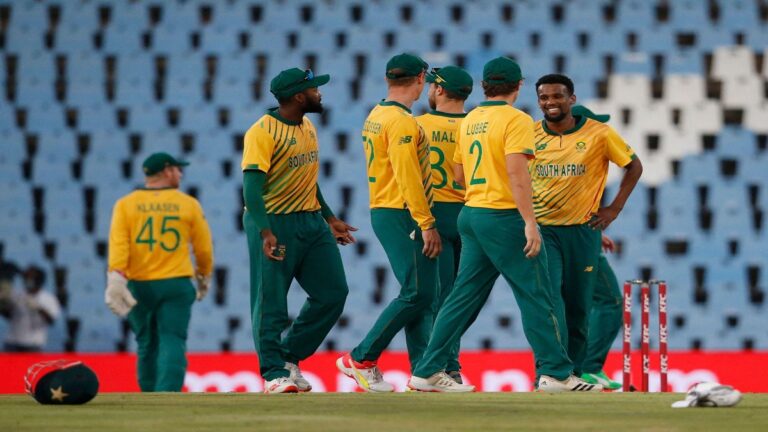

India vs Zimbabwe Tactical Super 8 Analysis
India vs Zimbabwe tactical analysis: why India hit 256/4, key matchups, phase plans, Pandya’s late surge, and how Zimbabwe’s chase fell short.

India vs Zimbabwe Tactical Super 8 Analysis
Match Context: Why This Super 8 Game Was a Tactical Test
The India vs Zimbabwe Super 8 match finished as a high-scoring contest on the board, with India posting 256/4 and Zimbabwe replying with 184/6, resulting in a 72-run victory. However, the real story sits in the details. India did not win only because they hit hard. They won because they managed each phase with a clear plan. Zimbabwe did not lose only because the target became huge. They fell short because they could not match India’s phase-by-phase pressure.
Super 8 cricket creates a different kind of stress. Teams carry points, net run rate, and qualification math in the background. As a result, captains take sharper decisions. Batters take smarter risks. Bowlers feel every loose delivery. In that environment, India produced a performance built on structure. Zimbabwe produced moments of quality, yet the overall model broke under sustained force.
The match started with a key decision. Zimbabwe chose to field first. That choice can work if the pitch slows later. It can also help if dew supports chasing. However, it carries risk. If the batting side dominates early, the chase becomes very hard. That risk became real in this contest.
India sensed the moment quickly. They attacked the powerplay with intent. The middle overs kept the run rate steady. The finish then pushed the total beyond comfort. Step by step, the innings built pressure. That steady build turned a strong score into a crushing one.
Pitch Reading: What the Ball Told India Early
Chepauk often rewards discipline. It can also punish bowlers who miss their plan by small margins. This surface allowed clean hitting when batters met the ball in front. Therefore, Zimbabwe needed tight lines and hard lengths from the start. They needed to keep India hitting to long boundaries. They also needed to protect the straight boundary early because India’s hitters love pace on.
India read the conditions quickly. They did not waste overs “feeling” the pitch. Instead, they played with clear intent. They trusted their bat swing. They trusted their timing. As a result, Zimbabwe’s bowlers lost control of the rhythm early.
When a bowling unit moves into defense too early, the batter feels less pressure. Confidence grows quickly. Singles become easy. Boundaries feel within reach. That shift changes the game. Fielders move back. Captains rotate bowlers more often. As a result, the batting side approaches the next wicket with control instead of panic.
The First Six Overs: How India Built Early Control Without Chaos
The powerplay in India vs Zimbabwe did not succeed by chance. India constructed it through disciplined shot selection and early clarity. Instead of chasing low-percentage ramps or risky improvisation, they focused on high-value scoring zones. Clean contact and controlled aggression defined the opening phase.
Full deliveries disappeared straight down the ground with strong bat faces. Shorter lengths met firm pulls and controlled cuts. Any width outside off stump invited decisive square shots. Because of this range, Zimbabwe could not settle into attacking field positions for long.
Moreover, India refused to depend on edges or mishits. Timing remained the foundation of the assault. As a result, the field spread sooner than Zimbabwe preferred, which opened singles into the gaps. Once singles began flowing freely, the pressure shifted entirely onto the bowling side.
Even after losing an early wicket, India kept the tempo steady. Momentum did not stall. That continuity forced Zimbabwe into defensive cricket inside the first six overs — a dangerous place to be against a deep batting unit.
India vs Zimbabwe: Why India’s Powerplay Was More Than Boundaries
Most fans remember the big shots. Analysts should remember the shape of the innings. India’s early overs showed a simple principle: control the game with options. India did not lock themselves into one shot. They built multiple paths to runs. That flexibility makes bowling plans collapse.
Zimbabwe faced a constant problem: every length seemed dangerous. Full length fed drives. Hard length fed pulls. Wide length fed cuts. Therefore, Zimbabwe began searching for the “magic ball.” In contrast, India kept playing the ball that came. That difference created early control. This is how T20 matches tilt early. Not through one over. Through a pattern that keeps returning.
Overs 7 to 10: The Bridge That Protects the Finish
After the powerplay, the field spreads. Bowlers often gain control in this phase because they can defend boundaries with deep fielders. Many teams slow down here. India refused to slow down in India vs Zimbabwe. Instead, they built a bridge innings.
A bridge innings does two jobs. First, it keeps the run rate healthy. Second, it protects wickets. India managed both. They kept the scoreboard moving through singles. They then took calculated boundary options when bowlers missed.
That approach matters because it preserves the death-over ceiling. If a team reaches the 15th over with wickets in hand, the finish can explode. India planned for that. Zimbabwe needed wickets here to protect the end. They could not get enough.
Overs 11 to 15: How India Forced Zimbabwe Into Defensive Cricket
Middle overs decide the quality of a total. India used this phase to squeeze Zimbabwe’s confidence. They did not allow a quiet over to reset the bowling side. Instead, they hit small bursts of acceleration at the right moments.
This is where tactical awareness becomes visible. India attacked specific bowlers when matchups favored them. They also targeted overs that looked weak in execution. In addition, they avoided reckless shots against the stronger overs. That balance kept the run rate high while protecting the innings.
Zimbabwe’s captain then faced a difficult choice. He could attack with fields and risk boundaries. Or he could defend and accept singles. Either path hurt him because India already owned the tempo. Therefore, Zimbabwe began reacting to India’s choices rather than setting their own.
The Momentum Surge: Why the Field Could Not Settle
Momentum in T20 does not come from one big over. It grows when quiet overs disappear. India removed those quiet overs. Zimbabwe had no breathing space. As the field spread, singles became easier. When singles flow, boundaries follow. That cycle kept the innings moving.
That loop explains why the innings never slowed. It also explains why Zimbabwe’s bowling plans broke down in the last five overs. By that time, India’s batters did not feel pressure. Zimbabwe’s bowlers felt all of it.
Overs 16 to 20: The Finishing Model That Turned Great Into Brutal
Finishing defines elite totals. India closed the innings with structure, not emotion. The plan was simple and clear. Full deliveries disappeared straight down the ground. Shorter balls met strong square hits. Smart movement across the crease created new angles. Meanwhile, quick running turned half-chances into extra runs.
Zimbabwe tried variations. They tried pace changes. They tried wide lines. Yet execution drifted. One missed yorker becomes a boundary. One slower ball without disguise becomes a boundary. Therefore, Zimbabwe could not control the last phase.
India’s finishing also carried partnership value. Two batters shared the work. That matters because it prevents one-dimensional fields. If one batter attacks leg side while the other attacks off side, the field has no safe shape. India used that advantage well.
This finishing phase is the clearest reason why the total moved from “tough” to “almost impossible.” A chase can handle 230 with a great start. A chase struggles against 256 because the margin for error disappears.
Zimbabwe’s Chase: The First Problem Appeared Early
When Zimbabwe began the chase, they had one job: front-load intent. Chasing 250-plus demands aggression in waves. It also demands a second hitter alongside the anchor. Zimbabwe began with stability. They protected wickets early. That decision can work in a chase of 180. It rarely works in a chase of 256.
In India vs Zimbabwe, the early overs created a trap. Zimbabwe stayed in the game on paper. However, the required rate kept rising quietly. As a result, the chase demanded too much from the last seven overs.
That is the hardest part of huge chases. You can “look okay” and still be losing. The scoreboard does not lie, but it can hide danger until the danger becomes obvious.
The Anchor Dilemma: When One Batter Must Do Two Jobs
Zimbabwe’s chase featured one outstanding innings. The set batter played with bravery and skill. He found boundaries under pressure. He also managed risk well. Yet the chase required more than one excellent innings. It required two batters scoring at high pace together.
When a chase lacks that second engine, the anchor faces a dilemma. He must preserve his wicket and also attack every over. That is almost impossible. If he attacks too early, he risks losing shape. If he waits, the required rate becomes a cliff. Therefore, even a great innings can end in defeat. That pattern defined Zimbabwe’s chase in this match.
India’s Bowling Tactics: Strike Timing Over “Defend Mode”
Skill matters in any game. However, this India vs Zimbabwe clash showed the value of clear roles. Each batter knew his job. No one crowded the same scoring area. The lineup stayed balanced. Because of that balance, India reached the final overs with full control.
This strategy matters. In massive chases, the set batter will score. The support batter decides the chase. India removed that support often enough. As a result, Zimbabwe never built a partnership that could threaten the target.
India also changed pace and angles to break rhythm. They did not feed the same length repeatedly. They adjusted fields based on where the batter tried to hit. Therefore, Zimbabwe could not build predictable boundary patterns.
The Chase Turning Point: When Belief Dropped
Every chase has a belief moment. Zimbabwe needed a two-over burst that brought the required rate back into reach. They needed a partnership that could attack together. That did not happen for long enough. India kept taking wickets at key moments. India kept reducing the chance of boundary clusters.
Once the chase reached the last five overs with too much still required, belief dropped. Batters then start taking higher-risk shots. Wickets follow. The innings then loses shape. That is how big totals defend themselves.
India vs Zimbabwe: Why This Match Was Not Only About Skill
Skill matters in any game. However, this India vs Zimbabwe clash showed the value of a clear plan. Every batter knew his role from the start. Scoring zones stayed separate, and the lineup remained balanced. Because of that balance, India entered the final overs with strength in reserve.
Zimbabwe showed talent. They also showed courage. However, they needed a sharper chase model and tighter death bowling. Those two areas decide high-scoring games. When a team misses in both, the margin becomes large.
India vs Zimbabwe: Tactical Lessons India Should Repeat
India should repeat three elements from this performance. They should keep powerplay intent with controlled risk. They should keep middle-overs strike rotation alive. Finally, they should keep finishing plans repeatable rather than emotional.
They should also continue using wicket timing while defending big scores. That approach forces the chasing side to rebuild too often. Rebuilding kills huge chases.
Tactical Lessons Zimbabwe Can Take Forward
Zimbabwe can take positives from this match. They had a batter who handled pressure well. They also competed with calm early. Now they must build a second accelerator. They must also improve death-over execution with stronger yorker accuracy and better variation disguise.
If Zimbabwe fix those elements, they can compete in high-scoring games more consistently.
Boundary Zones and Scoring Geometry
Modern T20 cricket depends on angles as much as power. In this India vs Zimbabwe clash, India chose high-percentage scoring areas. Straight balls went back past the bowler. Short balls met strong square shots. Wide lines were cut cleanly.
That pattern forced Zimbabwe to stretch the field. When fielders moved square, straight gaps opened. When they protected straight, square boundaries became available. Because of that constant pressure, Zimbabwe never found a safe field shape.
India also used the crease well. Small movements changed the line. That adjustment turned good balls into scoring chances. As a result, the margin for bowling error became very small.
Required Rate Pressure in the Chase
Chasing 256 demands more than hope. It demands clear mathematical pacing. Zimbabwe’s run rate stayed respectable early. However, the required rate kept climbing quietly in the background. This is a common trap in high chases.
When a team focuses only on current over scoring and ignores future escalation, pressure accumulates. In this India vs Zimbabwe contest, Zimbabwe needed at least one over of 18–20 runs before the 14th over. That surge never arrived at the right time.
Instead, the chase required consistent 14–15 run overs from the 12th onward. That is extremely difficult against disciplined bowling. Consequently, Zimbabwe had to take greater risks in the final overs. Greater risk increases dismissal probability. That pattern unfolded predictably.
India vs Zimbabwe: Partnership Timing
Successful chases rely on overlapping aggression. One batter anchors while the other accelerates. Then roles switch. Zimbabwe struggled to create that rhythm in this India vs Zimbabwe game.
The primary aggressor carried too much weight. Without sustained support, fielders stayed deep and bowlers attacked the new batter. Each time a wicket fell, Zimbabwe reset their tempo. Those resets proved costly because they consumed overs without reducing the required rate enough.
In contrast, India’s innings featured layered partnerships. When one batter attacked, the other rotated. When one paused, the other accelerated. That fluid role exchange preserved scoring flow.
Bowling Discipline Under Finishing Pressure
Death-over bowling separates strong teams from average ones. In this match, Zimbabwe’s execution dipped under finishing pressure. The difference did not come from lack of effort. It came from minor lapses in precision.
A yorker that lands two inches short becomes a slot ball. A slower delivery without disguise becomes predictable. Therefore, finishers thrive on small errors. India capitalized on those mistakes.
Meanwhile, India’s bowlers showed calm control under pressure. Attacks on the stumps forced batters to adjust their stance. Wider lines followed when hitters premeditated leg-side swings. Smart pace changes at key moments prevented predictable patterns. That disciplined variation reduced Zimbabwe’s ability to line up shots consistently.
India vs Zimbabwe: Energy and Fielding Impact
Fielding rarely grabs headlines in 250-plus games. However, it shapes momentum in subtle ways. India moved with urgency throughout the chase. Sharp stops cut off quick singles, while strong boundary efforts limited easy twos. As a result, Zimbabwe struggled to build release overs.
Each saved run compounds pressure in a massive chase. Zimbabwe, on the other hand, conceded a few extra runs through minor misfields earlier in the innings. While those moments seemed small, they inflated the finishing requirement later. High-level T20 cricket punishes small lapses severely. Energy becomes tactical currency.
India vs Zimbabwe: Mental Edge in Super 8 Cricket
Super 8 matches test composure. India played with calm clarity in this India vs Zimbabwe showdown. They did not rush their plans. They trusted their structure. Even when Zimbabwe threatened briefly, India maintained control.
That mental steadiness often distinguishes contenders from competitors. Zimbabwe showed resilience, yet the scoreboard burden grew heavier with each over. As the required rate climbed, body language shifted subtly. India sensed that change and tightened their grip.
Momentum in T20 often appears invisible until it becomes overwhelming. In this match, India built momentum through process rather than drama.
India vs Zimbabwe: Tournament Implications
Beyond the scoreline, this India vs Zimbabwe match reinforces India’s Super 8 credentials. They demonstrated depth in batting, flexibility in bowling, and clarity in phase management. These traits matter more than one-off heroics.
Zimbabwe, despite defeat, gained valuable experience in handling high-scoring pressure. Competing against elite finishing units highlights areas for growth. If they refine death execution and partnership timing, they can close margins in future contests.
Play Live Cricket
Stay tuned with Play Live Cricket for more tactical match breakdowns, phase analysis, and World Cup strategy coverage
Disclaimer: This article provides analysis for educational and informational purposes based on publicly available match information.