India Beat USA by 29 Runs at Wankhede | Play Live Cricket
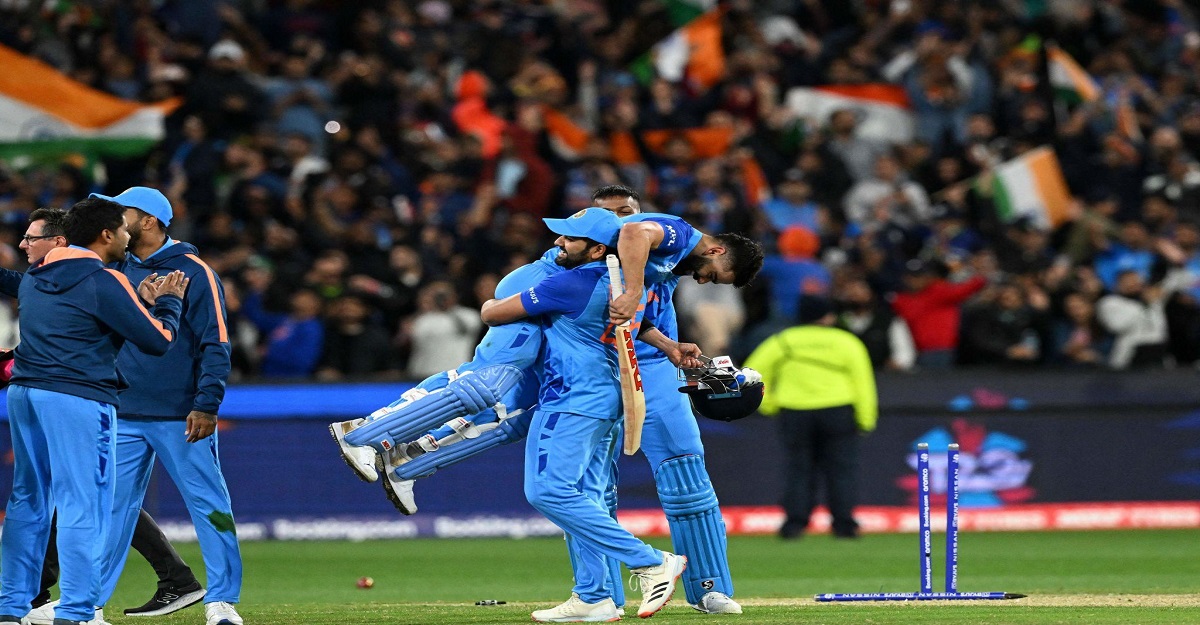
India Beat USA by 29 runs at Wankhede in the T20 World Cup 2026. They posted 161/9 and then restricted USA to 132/8 in 20 overs.
India Beat USA by 29 Runs in T20 World Cup 2026
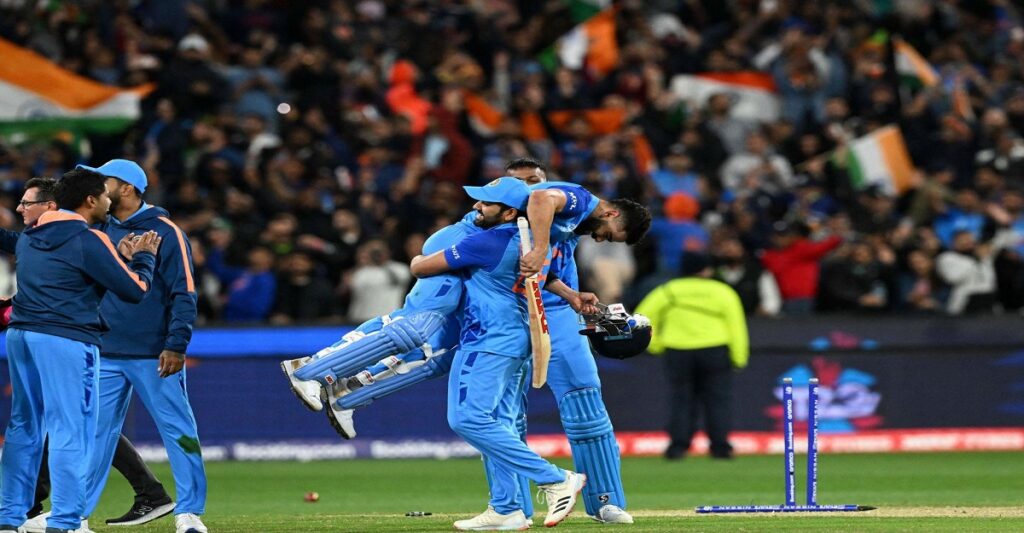
The third Group A clash of the ICC Men’s T20 World Cup 2026 saw India secure a 29-run victory over the United States. The game took place at Wankhede Stadium, Mumbai, on February 7, 2026, in a night match setting. India scored 161 for 9 in their 20 overs. The United States of America replied with 132 for 8 in 20 overs while chasing 162. The margin was 29 runs, and it reflected how India managed the match from start to finish.
This match did not follow a simple script. India lost wickets regularly, which kept the first innings from becoming a runaway score. Yet India still found enough runs to post a defendable total. Then, once the chase began, India controlled the tempo through smart bowling changes, tight fielding, and calm execution under pressure. USA competed with energy and intent, but the required rate never truly relaxed. In the end, India’s experience in key moments created the gap.
India Beat USA: Match Context and Why This Result Matters
India Beat USA in a group-stage match that carried more meaning than just two points. In World Cup cricket, early wins shape confidence and reduce pressure. They also build momentum, especially in a tough group. A win like this adds value in two ways. It improves the points table position. It also sharpens the team’s clarity around combinations and roles.
For USA, this match offered a strong learning moment. Chasing 162 at Wankhede is challenging, yet it is not impossible. Still, the chase required a clean powerplay, steady partnerships, and a strong finish. USA did not collapse, which matters. They stayed in the fight for long phases. However, they could not convert pressure into momentum. That difference often decides matches against top teams.
Wankhede also adds its own character. The stadium encourages stroke play, yet it punishes poor shot selection. The outfield is quick. The boundaries feel close in parts. As a result, a chase can turn fast. However, that same speed also rewards disciplined bowling and sharp fielding. IND used those tools well.
India Beat USA After a Cautious Start Turned Into a Competitive Total
India Beat USA after posting 161/9, a total that looks solid but not massive. The “9 wickets down” detail tells a clear story. India likely had periods of control with the bat, but they also lost wickets at important moments. That wicket pattern often happens when a team tries to accelerate without a settled pair at the crease. Still, a team can reach 160 even with wickets falling, as long as they keep the run rate healthy.
In T20 cricket, 160 at Wankhede sits in an interesting zone. It is not a guaranteed winning total. Yet it is enough if the bowling side starts well and protects the middle overs. It also becomes a strong total if the chasing team loses wickets early. That is exactly why early overs matter. A chase needs confidence. Wickets remove confidence quickly.
India’s innings likely had a familiar rhythm. There is often a phase where batters build with singles and controlled boundaries. Then there is a phase where wickets fall due to pressure. After that, there is usually a final push for late runs. Even without exact player stats, the score of 161/9 suggests India fought through turbulence and still reached a competitive finish.
That ability matters in tournaments. Perfect innings are rare. Real tournament wins often come from imperfect innings managed well. IND did that here.
India Beat USA: How Wickets Shaped India’s First Innings
India Beat USA despite losing nine wickets, which highlights two key points. First, USA’s bowlers likely executed plans well enough to take wickets consistently. Second, India still found scoring options even when partnerships did not last. That combination often produces a score like 161/9.
When wickets fall in T20 cricket, teams usually respond in one of two ways. Some teams slow down and aim for safety. Other teams keep intent and accept risk. India likely leaned toward intent, especially in the final overs, because 145 would have looked light. That choice can cost wickets, but it can also add critical runs.
A score near 160 often depends on “small wins” inside the innings. A quick 12-run over. Two boundaries in an over where only one was expected. A smart three at the right moment. A few stolen singles that turn 145 into 155. Then one late over that pushes the total beyond 160. These small advantages add up.
That is why totals and wickets must be judged together. Nine wickets down can look alarming. Yet 161 can still win if the bowling unit stays disciplined. They proved that balance.
India Beat USA: Why 161 Still Became a Pressure Total
India Beat USA because 161 became a pressure total once the chase began. Targets behave differently depending on the match situation. A target of 162 feels manageable at the toss. Yet it can feel heavy after two early wickets. It can feel huge if the required rate crosses nine per over. It can also feel unreachable if the chasing team loses momentum in the middle overs.
That is the hidden power of a “good, not great” total. It invites the chasing team to believe. Then it tests that belief over 20 overs. If the bowling side stays calm, the chase slowly tightens. Dot balls add pressure. Singles feel like failures. Big shots become necessary. Necessary big shots produce mistakes.
India likely aimed for exactly that pressure curve. They did not need 190. They needed a total that created tension. Then they needed to bowl in a way that kept the tension alive. That is how tournament teams win.
India Beat USA: The Chase Required a Fast Start at Wankhede
India Beat USA because the chase never gained early control. In a pursuit of 162, the powerplay defines momentum. A start near 50 with minimal damage builds belief, while scores closer to 40 add pressure. Anything below that forces a rebuild, and USA found themselves in that situation early.
USA finished at 132/8 after 20 overs. That suggests they faced pressure across the innings, not only at the end. If a chase ends 29 short with wickets still falling, it often means the required rate climbed and stayed high. Even when USA found boundaries, they likely followed them with dot balls or wickets. That pattern kills a chase.
At Wankhede, boundaries can come quickly. Yet the chase still needs shape. You need partnerships, and you need overs of seven and eight without risk. You also need the ability to target a weaker bowler. The India likely prevented that by rotating bowlers wisely and protecting matchups.
India Beat USA Through Middle-Overs Control and Smart Matchups
India Beat USA by controlling the middle overs, which is often the true battleground in T20 cricket. The powerplay is loud. The death overs are dramatic. Yet the middle overs decide whether a chase stays stable or becomes desperate.
If India held USA to controlled scoring in overs 7 to 15, then the chase would have reached the final five overs needing too much. That is where panic begins. In panic mode, batters swing earlier than planned. They attempt high-risk shots against good fields. They run harder between wickets, which raises run-out risk. The bowling team senses this and tightens even more.
Middle-overs control depends on disciplined lengths, smart variation without offering easy deliveries, and field placements that force batters to hit against the spin of the ball. This phase often highlights experience, and India’s T20 nous showed clearly, as reflected by the final score.
USA’s 132/8 also shows India kept taking wickets. Eight wickets lost means the chase did not enjoy stability. Even if one batter played well, support likely struggled to stay long. That is often the story against elite bowling groups.
Why Wickets Matter More Than Runs in a Chase
India Beat USA by striking regularly, the quickest way to disrupt any chase. Runs can be recovered through one strong over, but lost wickets cannot. Each dismissal reduced hitting power, increased risk for the next batter, and made every dot ball feel heavier.
When a chasing team loses wickets, they face a painful choice. They can keep attacking, which risks collapse. Or they can rebuild, which increases the required rate. Both paths favor the defending team if the defending team stays calm. India likely kept USA trapped in that decision.
That is why the “8 down” detail matters. USA used 20 overs, which shows they did not completely implode. Yet they still finished well short. That often happens when a team tries to rebuild but cannot find enough boundaries, because the bowling side protects the fence and wins the dots.
India Beat USA With Pressure That Built Across Overs
India Beat USA by building pressure gradually, not suddenly. Pressure in T20 cricket works like a tightening rope. One dot ball means nothing. Two dots in an over create a problem. An over with four dots creates panic. Then a wicket arrives, and the panic becomes fear. Once fear enters a chase, shot selection breaks down.
A chase becomes as much mental as mathematical when the target hovers around 160. Scores near that mark encourage belief, while anything higher demands caution and invites doubt. India’s 161 sat precisely on that edge, where confidence could easily turn into pressure. By attacking the stumps, protecting the boundaries, and forcing errors, India pushed the chase into discomfort.
USA ended with 132, which suggests that flip happened. Once it happened, India likely became sharper. Fielders run faster when they smell control. Bowlers execute better when they feel safe. Captains set more aggressive fields when the required rate rises. All of that stacks in favor of the defending side.
What USA Did Well Despite the Loss
India Beat USA, but USA can still take positives from this match. Scoring 132/8 while chasing 162 shows they competed for most of the innings. They did not fold early. They kept batting through the full 20 overs. That resilience matters, especially in World Cup cricket.
USA also took nine Indian wickets in the first innings, which suggests their bowling plans worked in phases. Taking wickets consistently against India is never easy. It requires discipline and belief. It also requires fielders to support bowlers under pressure. USA likely did many small things right, even if the final result went against them.
What USA will want next is better control of chase tempo. They need more stable partnerships. They also need a clearer plan for the middle overs, where matches often slip away quietly. If they improve those areas, they will trouble more teams in the group.
India Beat USA: What This Win Shows About India’s Tournament Strength
The win underlined India’s balance as a tournament side. They showed the ability to build an innings with patience, defend a total through discipline rather than raw pace, and adapt to challenging conditions at a venue like Wankhede. These qualities point to a team shaped for long campaigns, not just one standout night.
With this result, India move forward with confidence and clarity. The match offers strong lessons on what worked and what needs adjustment. India can identify the overs where they lost momentum with the bat. They can also note the bowling phases that created the most pressure. That clarity becomes valuable in the next match, where margins may be smaller.
India Beat USA: Key Turning Points That Likely Decided the Match
India Beat USA because the key moments went their way. In matches like this, turning points usually include a cluster of wickets, a tight over that kills momentum, or a fielding moment that changes belief. The scoreboard suggests India likely created a phase where USA needed too much in the last five overs, and then wickets followed.
Another likely turning point was India reaching 161 despite losing nine wickets. If India were bowled out earlier or finished at 145, the chase would have looked different. But 161 forced USA to chase at a strong rate throughout. That steady requirement increases risk every over.
Finally, the late stages matter. USA ended 29 runs short, which suggests the final overs did not deliver the needed burst. India likely closed out the innings well. That is what strong teams do. They protect the last five overs with their best plans.
India Beat USA: What This Means for Group A
India Beat USA and earned two crucial points in Group A. In a World Cup group, every win reduces pressure. It also improves the road to qualification. Net run rate can also matter later. A 29-run win is a healthy margin, especially against a team that kept fighting.
For USA, the loss does not end their campaign, but it increases urgency. Group stages do not allow long recovery periods. USA will need to respond quickly, tighten their chase plans, and find a way to turn competitive phases into complete performances.
This is the nature of tournament cricket. One match can teach more than ten practice sessions. USA will want to take the lessons and move on fast.
Final Verdict
India Beat USA by 29 runs because they played with structure and calm. They did not rely on one explosive moment alone. They posted 161/9 through persistence and late efficiency. Then they defended it with discipline and smart pressure. USA kept competing, but the chase never fully relaxed, and wickets kept arriving.
This result also shows why experience matters. In World Cups, teams win by managing phases, not only by hitting big shots. India managed the phases better. USA showed spirit, yet they lacked the stable momentum needed for a successful chase at Wankhede.
India will take confidence from this win. USA will take lessons. That is how World Cup groups shape themselves.
Play Live Cricket
Stay tuned with Play Live Cricket for squad updates, match previews, and full T20 World Cup 2026 coverage.
Disclaimer: This article is based on the official match result and visible scorecard summary (India 161/9, USA 132/8, India won by 29 runs).