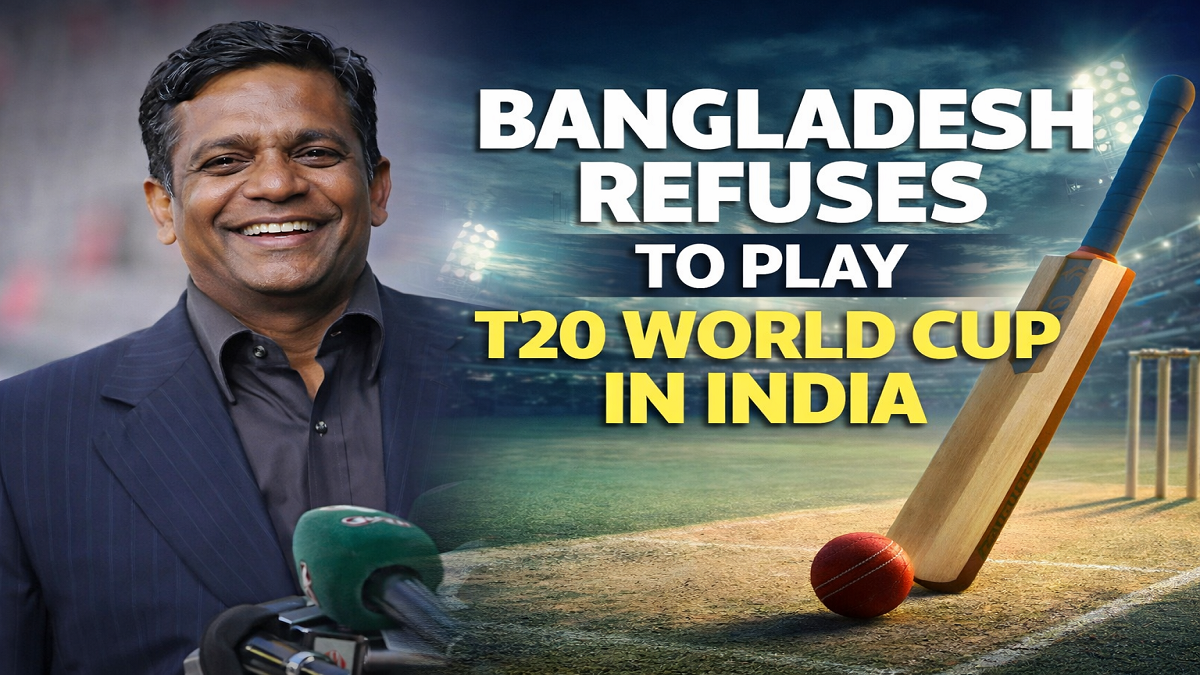
Bangladesh Refuses to Play T20 World Cup in India
Bangladesh refuses to play T20 World Cup in India, risks a $27 million fine, and plans to move the case to the ICC dispute court.
Bangladesh has taken a strong stand. However, this move shocked many cricket fans. Instead, the team wants matches elsewhere. Specifically, Sri Lanka is the chosen option. At present, the issue has grown serious. Now, legal and money matters are involved. According to reports, a heavy fine is possible. In fact, the amount is $27 million. As a result, pressure on the board has increased. Still, the board has not stepped back.
Why Bangladesh Refuses to Play the T20 World Cup in India
Bangladesh’s decision to refuse participation in the T20 World Cup in India did not come suddenly. Instead, it followed weeks of internal discussion, rising concern, and unresolved questions. Long before the issue became public, officials within the Bangladesh Cricket Board had raised alarms about several factors linked to hosting conditions.
Safety concerns were among the earliest issues discussed. In addition, political tension between regional stakeholders added further uncertainty. Because of these factors, player comfort and mental security became central to the conversation. Major tournaments require calm environments, especially when pressure levels are already high. For this reason, Bangladesh formally requested a change of venue. However, the International Cricket Council rejected that request, triggering the current dispute.
Why Sri Lanka Is Bangladesh’s Preferred Venue
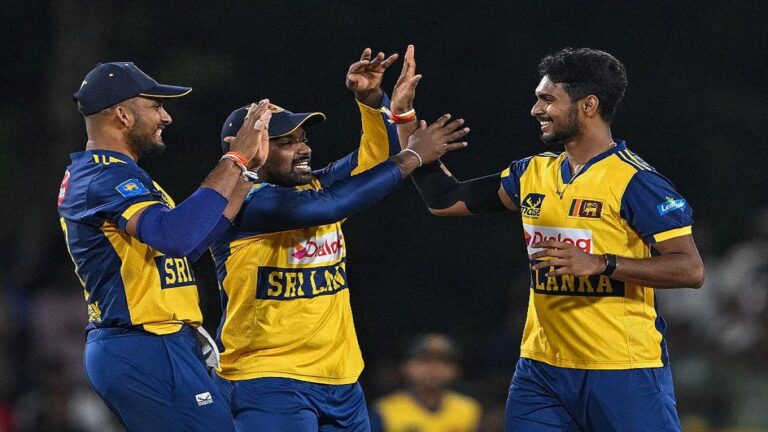
Sri Lanka quickly emerged as Bangladesh’s preferred alternative venue. To begin with, Sri Lanka offers neutral grounds that have previously hosted major ICC tournaments successfully. In addition, logistical arrangements in Sri Lanka are familiar to Bangladeshi players and support staff.
Another important factor is pitch familiarity. Bangladesh’s players understand Sri Lankan conditions well, which reduces the need for extended adjustment periods. Meanwhile, travel distances remain short, helping limit fatigue and travel stress. Consequently, Sri Lanka appeared to be a practical compromise rather than a demand.
Despite these points, approval has not yet arrived. The ICC has maintained that once hosting rights are finalized, changes remain extremely difficult.
Bangladesh Refuses to Play T20 World Cup Dispute Explained Simply
At its core, the Bangladesh T20 World Cup dispute revolves around venue obligations. Once hosting rights are awarded, flexibility becomes limited. India had already received official hosting rights for the tournament. As a result, changing venues at a late stage would affect multiple systems.
Broadcast schedules, commercial contracts, sponsorship deals, and ticketing plans are all built around fixed locations. Because of this, the ICC views venue changes as disruptive. Consequently, warnings were issued to Bangladesh, including mention of serious penalties.
Bangladesh Refuses to Play: ICC Warning and the $27 Million Fine
The most shocking element of the dispute was the reported $27 million fine. For Bangladesh cricket, this figure represents a massive financial burden. In comparison, the board’s annual revenue remains far lower than that amount.
Such a penalty could significantly impact cricket development programs. Youth cricket, women’s cricket, and domestic structures could all face funding cuts. Despite this risk, Bangladesh officials continue to stand by their position, arguing that principle and player welfare must come first.
The warning sent a strong message across the cricketing world and intensified debate among fans and experts alike.
Bangladesh Refuses to Play: Financial Impact on Bangladesh Cricket Board
Currently, ICC revenue plays a major role in supporting Bangladesh cricket. Tournament participation fees, broadcast shares, and performance-based incentives help sustain operations. Without these funds, budgets could shrink rapidly.
As a result, spending cuts may become unavoidable. Domestic leagues could slow down. Development programs might face delays. Long-term planning would become far more difficult. However, board officials believe the issue goes beyond finances.
From their perspective, accepting conditions they consider unsafe could set a dangerous precedent. Therefore, they remain committed to pursuing a legal solution.
Bangladesh Plans to Approach ICC Dispute Court
With negotiations stalled, Bangladesh has confirmed plans to approach the ICC dispute court. This legal pathway allows member boards to challenge decisions they believe violate fair governance.
Soon, formal documentation will be submitted outlining Bangladesh’s concerns. After that, hearings may begin. This process could take time, adding further uncertainty to tournament planning.
For Bangladesh, this legal step represents their final option within ICC structures.
Role of the ICC Dispute Court
The ICC dispute court operates under strict governance rules. Its decisions are considered final and binding. Importantly, it reviews venue disputes, financial penalties, and member board conflicts.
Because of this authority, the ruling could shape not only this case but future ICC policy. Smaller boards are watching closely, as the outcome may define how much flexibility they can expect in similar situations.
Reaction from Cricket Experts
Cricket experts have offered mixed reactions. Some analysts support Bangladesh’s stance, emphasizing that player safety must come before commercial interests. They argue that no tournament should force participation under questionable conditions.
Others strongly disagree. Critics point out that tournament commitments must be honored once accepted. From their perspective, allowing exceptions could weaken ICC governance.
Meanwhile, several former players have urged compromise and dialogue rather than confrontation.
Bangladesh Refuses to Play T20 World Cup in India: Fan Reaction
Across social media platforms, fan reactions have been swift and emotional. Many Bangladeshi supporters have backed the board’s decision, praising its willingness to stand firm.
At the same time, concern exists about long-term consequences. Some fans fear isolation or strained relations within the ICC. Nevertheless, global interest in the dispute remains high, reflecting the significance of the issue.
India’s Position on Hosting the Tournament
India has remained confident in its hosting capability. Officials have pointed to strong infrastructure, modern stadiums, and past success in organizing global events. From their viewpoint, no changes are necessary.
India has previously hosted major ICC tournaments without disruption. As a result, compromise appears unlikely unless directed by the ICC dispute court.
Impact on T20 World Cup Planning
The ongoing uncertainty has affected World Cup planning. Schedules require final confirmation. Broadcasters need clarity to finalize coverage plans. Sponsors expect fixed venues to activate campaigns.
Because of these pressures, the ICC prefers a quick resolution. Prolonged uncertainty could disrupt preparations across multiple teams.
Effect on Bangladesh Team Preparation
Meanwhile, the Bangladesh team continues to train and prepare. Coaching staff are working to maintain focus and protect players from distraction. However, uncertainty inevitably adds pressure.
Players are preparing for all scenarios, including neutral venues or last-minute changes. Clear communication from officials has helped reduce anxiety, but clarity will remain crucial.
Past Examples of Venue Disputes in Cricket
Cricket history includes several examples of venue disputes. Pakistan, for instance, played home matches abroad for years due to security concerns. Other teams have also accepted neutral venues during political tension.
These precedents show that flexibility exists within cricket governance. However, each case carries unique political and financial factors.
Bangladesh Refuses to Play: Power Balance in World Cricket
This dispute highlights broader power dynamics in world cricket. Smaller boards often feel pressure when confronting major hosts. Financial dependence on ICC revenue adds complexity.
As a result, questions about governance fairness have resurfaced. Some observers believe reforms may follow, depending on the outcome of this case.
Possible Outcomes Ahead
Several outcomes remain possible. First, the fine could be enforced fully. Second, partial relief or compromise may emerge. Third, Bangladesh could win the dispute, leading to venue adjustments or penalty reductions.
Each scenario carries significant consequences for Bangladesh cricket and ICC policy.
What Happens Next for Bangladesh and the ICC
Legal proceedings are expected to begin soon. Hearings may take weeks or months. Until then, uncertainty will remain.
The cricket world continues to watch closely, as the ruling may influence future tournament governance.
Conclusion
This dispute marks a defining moment for Bangladesh cricket. Financial risk remains high, but unity within the board appears strong. The decision reflects a willingness to prioritize player welfare and principle over immediate gain.
Ultimately, the ruling will shape Bangladesh’s future relationship with the ICC and may influence global cricket governance. Until then, fans and officials alike await clarity.
Play Live Cricket
Stay connected with Play Live Cricket for the latest international cricket news, breaking updates, match previews, and in-depth analysis. Follow us for reliable coverage of global tournaments, team developments, and important cricket stories from around the world.
Disclaimer
This article is published for informational purposes only and is based on publicly available reports and sources. Details may change as official statements are updated. Play Live Cricket is not officially associated with the ICC or any national cricket board.