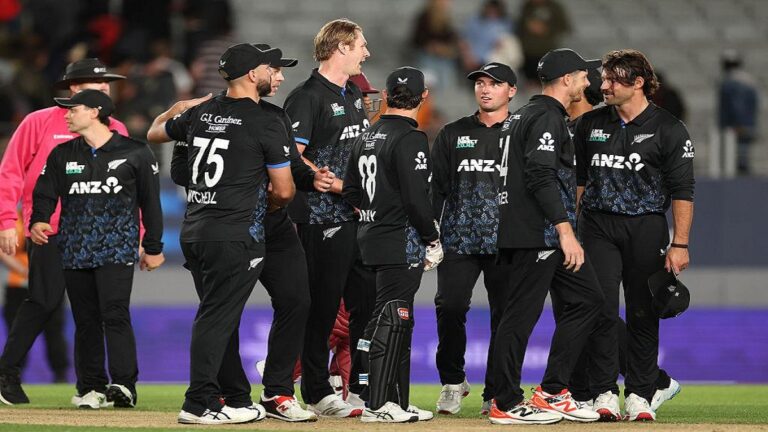

Sri Lanka Crush Australia by 8 Wickets in T20 WC
Sri Lanka crush Australia by 8 wickets as Pathum Nissanka’s unbeaten 100 off 52 seals a dominant T20 World Cup group-stage victory.

Sri Lanka Crush Australia by 8 Wickets in T20 WC
A ruthless display in the ICC Men’s T20 World Cup group stage flipped the script in one night as Sri Lanka outplayed Australia from start to finish.. Australia scored 181 in 20 overs, which usually gives a team a fighting chance. However, Sri Lanka chased it down in only 18 overs. They finished at 184/2. They also had 12 balls to spare.
That margin matters in a World Cup. It lifts confidence. It boosts net run rate. Most importantly, it sends a warning to the rest of the group.
The headline belongs to Pathum Nissanka. He stayed unbeaten on 100 from 52 balls. Even so, this win was not only about one batter. Smart planning played a big role too. So did calm execution.
Match Snapshot
Australia: 181/?. (20 overs)
Sri Lanka: 184/2 (18 overs)
Result: Sri Lanka won by 8 wickets (12 balls left)
Player of the Match: Pathum Nissanka – 100* (52)
Australia’s Innings A Fast Start, Then Missed Extra Runs
Australia began well. Early boundaries put Sri Lanka on the back foot. Travis Head led that surge with 56 off 29 balls. His intent was clear from the first over. As a result, Australia raced through the powerplay. Mitchell Marsh kept the pressure high. He struck 54 off 27 deliveries. Moreover, he attacked both pace and spin. That kept Australia ahead of the game through the middle overs.
Josh Inglis added a steady 27 off 22. His job was to hold shape. He did that. Yet Australia still left runs behind late in the innings. That final stretch mattered a lot. A total of 195 would have changed the chase. Instead, Sri Lanka’s bowlers held their nerve and capped Australia at 181.
Sri Lanka’s Bowling: Discipline Over Drama
Sri Lanka did not chase magic balls. Instead, they stuck to plans. That approach kept the innings under control. Dushan Hemantha made the key impact. He picked up 3/37. More importantly, those wickets arrived at the right time. Each breakthrough stopped momentum.
Meanwhile, Dushmantha Chameera kept the batters honest. He hit hard lengths. He also avoided feeding easy full tosses. Because of that, Australia struggled to launch consistently at the death. Kamindu Mendis supported well. His overs reduced risk. In addition, tight spells forced Australia to take chances.
A simple truth stood out: Sri Lanka won the “last five overs” battle. That is often where T20 games turn.
Why 181 Looked Competitive, But Not Safe
On paper, 181 is strong. In reality, it can feel light if the chase starts well. This pitch looked good for timing. The outfield also rewarded placement. Therefore, Sri Lanka knew the target was chaseable if they avoided early wickets. That is exactly what happened.
Chase Plan: Keep It Simple, Keep It Moving
A chase of 182 demands structure. It also demands calm. First, the powerplay must be stable. Next, the middle overs must keep the rate under control. After that, one set batter needs to finish the game. Finally, the last overs should feel like a routine closeout.
Sri Lanka followed that script. They never allowed panic to enter the chase. Instead, they trusted singles, gaps, and smart match-ups.
Pathum Nissanka’s 100*: A Chasing Century With Control
Nissanka played a special innings. Still, the best part was not only the hundred. The best part was how he built it. Early in the chase, he played low-risk cricket. Soft hands guided the ball into gaps, and sharp running added easy singles. In addition, constant strike rotation kept the scoreboard ticking. As a result, dot balls never piled up. Later, he shifted gears. He picked the right balls to attack. He did not swing at every delivery. Instead, he waited for errors.
Then he punished them. Against spin, he used placement. Against pace, he relied on timing. In addition, he stayed balanced at the crease, which reduced mistimed shots. A chasing hundred needs awareness. Nissanka showed that awareness every over. Ultimately, he batted through and removed pressure from everyone else.
Sri Lanka Crush Australia: The Partnership That Broke Australia’s Hope
A chase becomes easy when a long partnership forms. That is what Sri Lanka created. Once Sri Lanka settled, Australia needed wickets. However, the partnership kept growing. Singles continued. Twos arrived when the boundary was blocked. Meanwhile, the asking rate stayed manageable.
At that point, Australia faced a problem. Bowling changes stopped working. Field shifts did not create dots. Because of that, frustration started to show. Long stands are killers in T20 chases. This one ended the contest.
Sri Lanka Crush Australia: Powerplay Calm Start, Strong Intent
Sri Lanka’s powerplay did not look wild. Yet it was perfect for the situation. The batters avoided risky lofted shots early. Instead, they took what the bowlers gave them. As a result, wickets stayed intact. This calm start matters in big chases. It prevents a collapse. It also keeps the middle order relaxed.
Middle Overs: The Quiet Phase That Won the Match
Most T20 matches are decided in the middle overs. This one was no different. Sri Lanka won this phase through rotation. The batters kept turning the strike over. They also refused to let overs end with too many dots. Therefore, Australia never built a squeeze.
Even when boundaries slowed, the chase did not slow. That is the key. Australia tried different lengths. They also tried pace-off balls. However, Sri Lanka read those changes quickly. Good cricket beats clever ideas when execution stays sharp.
Australia’s Bowling: Effort Was There, Pressure Was Not
Australia worked hard. Still, the chase demanded more control. The bowlers missed key lengths in key moments. Some balls were too full. Others sat up short. As a result, Sri Lanka found scoring chances every over.
Dot-ball pressure is the heart of defending 180. However, Australia could not create long dot-ball sequences. That made wickets harder to earn. A defending team needs one “tight spell” to turn a chase. Australia did not get it.
The Finish: Clean, Professional, Unstressed
The last few overs felt like a formality. Nissanka stayed calm. He chose safe options first. Then he attacked when the ball arrived in his zone. Because of that, Sri Lanka finished early without risk.
Sri Lanka ended on 184/2 in 18 overs. Eight wickets remained. Twelve balls remained too. That is not just a win. That is dominance.
Sri Lanka Crush: Key Turning Points
1) Sri Lanka Limiting Australia Late
Australia looked set for more than 190. However, Sri Lanka controlled the death overs. That kept the target in reach.
2) No Early Wickets in the Chase
Sri Lanka’s stable start removed scoreboard fear. Therefore, the chase never felt out of control.
3) Nissanka Batting Through
A set batter finishing the chase is a huge advantage. Nissanka did exactly that and killed the game.
4) Sri Lanka Crush: Strike Rotation vs Dot-Ball Plans
Australia needed dot balls to force errors. Sri Lanka refused to allow that pattern.
Sri Lanka Crush Australia: What This Result Means for the Group Stage
A World Cup group is not only about points. Net run rate often decides qualification. This win boosts Sri Lanka heavily. Chasing with 12 balls left improves net run rate in a meaningful way. Therefore, Sri Lanka gains a double benefit from this result.
Australia, on the other hand, now feels pressure. A single loss does not end a campaign. However, it reduces margin for error. It also forces stronger performances in upcoming matches. Momentum matters in T20 tournaments Sri Lanka now owns momentum.
Sri Lanka Crush Australia: What Sri Lanka Did Better Than Australia
Sri Lanka won this match in three clear ways:
- Controlled the death overs with disciplined bowling
- Maintained steady strike rotation throughout the chase
- Showed composure in high-pressure moments
In addition, they played the situation, not emotions. That is the sign of a strong T20 side.
Sri Lanka Crush Australia: What Australia Must Fix Next
Australia still has quality. However, this match exposed a few areas:
- Death bowling execution must improve
- Dot-ball pressure must increase
- Partnerships must be broken earlier
- Field plans need faster adjustment
Those fixes are possible. Yet time is limited in a World Cup.
Related Match Reports on Play Live Cricket
If you enjoy high-intensity World Cup clashes, you can also read our recent match reports. For example, England held their nerve in a dramatic contest where they defended a big total in Kolkata: England vs Italy – England defend 202 in a thriller
https://playlivecricket.com/england-vs-italy-england-defend-202-in-kolkata-thriller/
Similarly, India produced a major statement win in Colombo with a huge margin that reshaped their group path: India vs Pakistan – India win by 61 runs in Colombo
https://playlivecricket.com/india-vs-pakistan-india-win-by-61-runs-in-colombo/
These matches show a clear World Cup trend: big wins are not only about points. They are also about control, net run rate, and momentum.
Sri Lanka Crush Australia : Final Thoughts
Sri Lanka crush Australia in a match that showed control from start to finish. Australia’s 181 looked strong at first. However, Sri Lanka made it look small with smart chasing. Pathum Nissanka’s unbeaten 100 was the difference-maker. Still, discipline with the ball also played a big part. Sri Lanka restricted Australia just enough. Then they chased with calm intent.
In the end, the margin told the story. Eight wickets. Twelve balls left. A statement in the group stage.
Stay Tuned for Play Live Cricket
Stay connected with Play Live Cricket for daily T20 World Cup 2026 match reports, turning points, and tactical breakdowns.
Disclaimer: This article is for news and analysis purposes only. Final score details and official standings depend on the tournament’s official match records.