Pakistan Beat USA by 32 Runs in Colombo Thriller
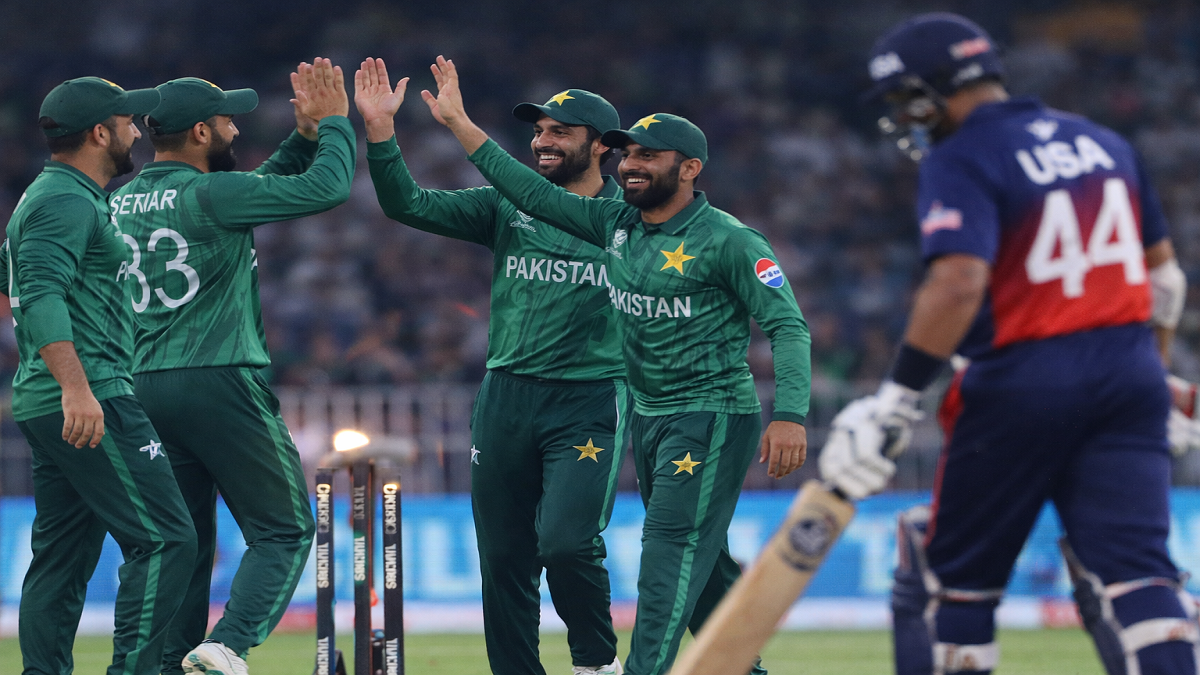
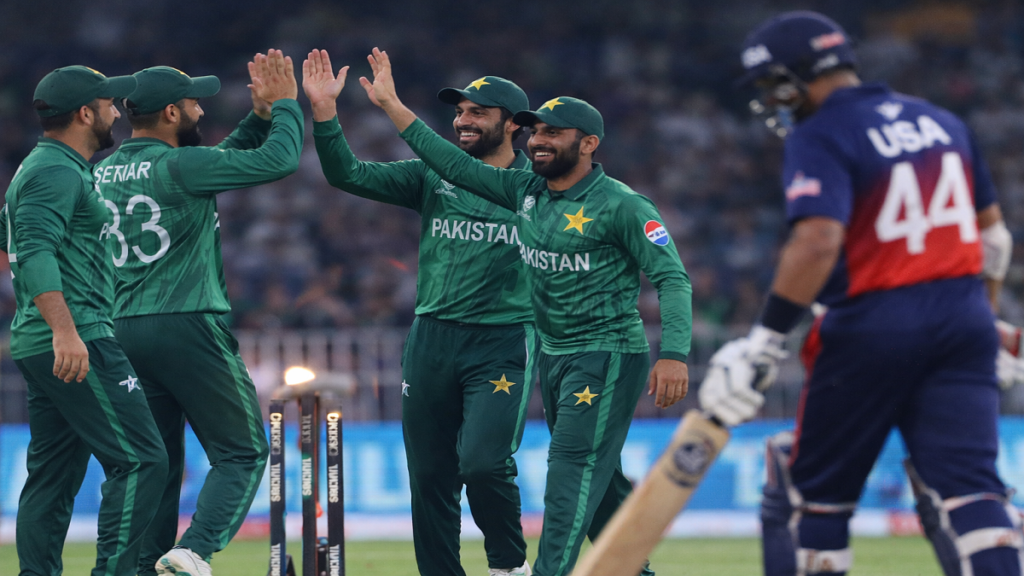
Pakistan beat USA by 32 runs in Colombo after posting 190/9 and restricting USA to 158/8 in a high-energy T20 World Cup clash.
Pakistan Beat USA by 32 Runs in Colombo After 190/9 Sets Up a Complete Group A Win
In Colombo, Pakistan delivered a win built on power, recovery, and disciplined defending. The scoreboard shows the shape of the match in clear numbers. Pakistan finished on 190/9 in 20 overs. The United States replied with 158/8, falling 32 runs short. That margin matters in a World Cup group because it is not just about points. It also strengthens net run rate and builds momentum.
This contest had the feel of a modern T20 game where both teams had moments. Pakistan produced a total that was slightly above par for many World Cup nights, especially when wickets keep falling near the end. USA fought hard in the chase and showed intent, but the required rate kept climbing. Once that happens, the chase becomes a problem of time rather than talent. Pakistan stayed calm, protected key overs, and closed the match in phases rather than with one dramatic burst.
The most telling detail was how Pakistan managed the entire night despite losing wickets while scoring 190. That total suggests aggressive intent, yet it also suggests they kept moving forward even when USA found breakthroughs. In response, Pakistan’s bowlers and fielders ensured USA never enjoyed a long, comfortable partnership at the speed required.
Pakistan Beat USA: Match Summary
Pakistan’s innings had two important elements working together. The first was boundary power, which pushed the total into a strong range. The second was resilience after wickets, which prevented a late collapse from pulling the score down.
USA’s chase started with belief because 191 is not impossible in T20 cricket. However, the chase needed two things to stay alive: an early surge and wickets in hand. Pakistan denied at least one of those at most times, and that created a constant chase pressure. As the overs passed, the equation grew harsher. At the end, the USA total of 158/8 showed they competed, but Pakistan remained ahead of the game.
Pakistan beat USA because they won more overs than they lost. In T20 cricket, that is the cleanest definition of control.
Pakistan Beat USA: A Big-Game Surface With Small-Game Margins
Colombo often produces matches where timing and discipline decide the result. The outfield can be quick, which rewards placement. The atmosphere also adds pressure because small errors look bigger under lights. One misfield becomes two runs. One loose over becomes a swing in required rate. That is why teams that stay organized usually win here.
Pakistan appeared to read the game well. They scored at a strong pace despite losing wickets. They also defended with structure rather than panic. When a team defends a big total, the most common mistake is chasing wickets too hard. Pakistan did not need to chase every wicket because the required rate already created pressure.
Pakistan’s Innings: 190/9 Built With Power and Recovery
A score of 190/9 tells an interesting story because it includes both dominance and resistance. On one side, 190 suggests Pakistan found boundaries regularly. On the other side, nine wickets suggests USA kept creating chances and did not allow Pakistan to finish with full comfort.
This is what makes the innings impressive. Pakistan did not rely on one perfect batting performance. Instead, the total likely came through multiple contributions and constant intent. In T20 cricket, intent is not reckless hitting. Intent is staying ready to score when the ball is in your zone. Pakistan did that often enough to maintain a high run rate.
Losing wickets can sometimes slow an innings because new batters take time. Pakistan avoided that trap. They kept the run flow alive, which is crucial in a World Cup setting. Even small “quiet” overs feel dangerous when wickets are falling. Pakistan managed those moments well and still reached a total that forced USA to chase at close to ten an over from the start.
Another key point is the value of 190 at this stage of a tournament. It is a psychological number. It tells the opposition, “You will need more than a good chase. You will need an excellent chase.” That changes how teams bat, especially in the middle overs, where impatience often causes wickets.
Pakistan Beat USA: How Pakistan Got to 190 Despite Losing Wickets
When a team ends on 190 with nine down, the innings usually includes three patterns.
First, there is early momentum. That may come from powerplay boundaries or fast running. Momentum in the first six overs matters because it sets the whole innings pace.
Second, there is a middle-over bridge. This is the phase where smart teams keep the innings stable. Singles, twos, and occasional boundaries prevent the scoring from collapsing. A team that “wins” this bridge gives itself a platform for 170+.
Third, there is a finishing push, even if wickets fall. The finish does not have to be clean. It only needs to be effective. Pakistan’s final score suggests they kept swinging for value, even if USA removed batters during the attempt.
Pakistan beat USA because they kept scoring even when the innings became messy. That ability is a major T20 skill.
Pakistan Beat USA: USA’s Bowling
USA will take positives from the wicket column. Taking nine wickets is not easy against a top T20 side. It means the bowlers created chances and the fielders supported them. It also suggests that Pakistan never settled into a completely comfortable “batting practice” mode.
Still, the key weakness was the final total. If you take wickets but still concede 190, it usually means the boundaries came too easily, or the bad balls were punished harshly. T20 cricket is unforgiving in that way. A bowler can deliver five good balls and one loose ball, and the over still goes for 12.
USA’s best moments likely came when they hit hard lengths, used variations, and forced mis-hits. Their challenge was repeating those overs often enough. Against Pakistan, you must win a high percentage of overs. Winning five or six overs is not enough if you lose the rest.
The Chase: USA 158/8 Had Fight, But the Rate Never Relaxed
Chasing 191 requires a specific tempo. A team needs to be near 50–55 after six overs, then stay strong through the middle, and still have wickets for the final assault. Any dip in that tempo makes the finishing target brutal.
USA reached 158/8, showing they continued to push the chase. However, the falling wickets told a different story about momentum. Every dismissal forced a reset, raised the required rate for incoming batters, and made dot balls increasingly costly. Chases often unravel for this reason, not due to a lack of talent, but because time and stability disappear.
Pakistan made the chase uncomfortable from the start. They likely used their best bowlers early or at key moments to block momentum. They also would have protected the boundary in the middle overs, forcing USA to hit into longer pockets. When boundaries become difficult, singles become the plan. Unfortunately, singles are not enough when the required rate is high.
Pakistan beat USA because they never allowed the chase to become smooth. Even when USA found a good over, Pakistan likely responded with a tight one.
Why Pakistan Beat USA: The Five Match-Winning Reasons
1) A Total That Forced Risk
190/9 meant USA had to chase aggressively. Aggression brings wickets if the bowling side stays disciplined.
2) Wickets at the Right Times
In T20 cricket, timing of wickets matters more than total wickets. Removing set batters stops momentum instantly.
3) Better Control of “Bad Balls”
Every team bowls a few loose deliveries. The difference is how many. Pakistan likely offered fewer easy balls in clusters.
4) Smarter Middle Overs
Many matches swing between overs 7 and 15. Pakistan probably won that period by limiting boundaries and squeezing singles.
5) Calm Closing Skills
With a lead on the board, Pakistan did not need miracles. They needed execution. They got it.
The Key Phase: Middle Overs Decided the Chase
Most T20 chases live or die in the middle overs. This is when captains set traps and batters decide whether to attack or rebuild. For USA, rebuilding was dangerous because the target was high. Attacking was also dangerous because wickets were already falling.
Pakistan’s plan in this phase was likely simple: protect the boundaries, bowl into safe lengths, and force batters to take risks into the bigger side of the ground. This approach does not always create instant wickets, but it creates pressure. Then pressure creates mistakes.
Once the chase reached a stage where USA needed 12–13 an over consistently, the match tilted heavily. At that point, even a good over does not help much because a single quiet over ruins the equation again.
Pakistan’s Bowling Approach: Pressure Over Panic
A common mistake when defending a big total is chasing wickets with full attacking fields for too long. That can leak boundaries and keep the chase alive. Pakistan’s smarter option was to defend zones and trust the required rate to create errors.
That style matches tournament cricket. It is not flashy, but it is effective. Bowlers focus on length, variation, and execution. Fielders focus on stopping twos and keeping boundaries rare. Captains focus on holding back the right overs for the right bowlers. Pakistan looked like they had a clear script for most moments.
Pakistan beat USA because their bowling plan matched the scoreboard situation. They defended like a team that knew it was ahead.
USA’s Positives: Progress, Intent, and Lessons
USA should not treat this result as a failure. Scoring 158 against a strong side shows they can compete. Taking nine wickets also shows they can disrupt top batting lineups. These are real positives in a World Cup group.
The next improvement is consistency. Against teams like Pakistan, you need multiple tight overs in a row. You also need one strong partnership in the chase that lasts long enough to reduce the required rate.
Those improvements are realistic. They come from better shot selection under pressure and sharper execution in the “between overs,” where matches quietly swing.
What This Means for Group A
Pakistan’s win brings two big benefits. First, it adds points. Second, it strengthens net run rate, which can decide qualification in tight groups. Winning by 32 runs is a solid margin, and it helps the overall campaign.
For USA, the group remains open if they respond well. A World Cup group stage rewards teams that learn quickly. One loss does not end a campaign. What matters is how the next match is played.
Final Word
Pakistan beat USA by 32 runs in Colombo after posting 190/9 and then restricting the chase to 158/8. The match was competitive in moments, but Pakistan stayed ahead through smarter phases, better control, and timely wickets. USA showed spirit and skill, yet the rising required rate and falling wickets kept the chase from ever feeling truly safe.
Play Live Cricket
Stay tuned with Play Live Cricket for match reports, points table updates, and full T20 World Cup coverage.
Disclaimer: This article is based on the match result and general game analysis.